


Android vs iOS Development, Native vs Cross Platform Apps, Flutter vs React Native
Complete 2026 Guide for Students & Businesses in Mohali
Mobile applications are transforming how businesses operate, deliver services, and engage customers in today’s digital-first economy. From e-commerce platforms and fintech solutions to healthcare apps and on-demand services, mobile apps have become the backbone of modern business strategy. Companies no longer see mobile presence as optional — it is now a necessity for growth, visibility, and customer retention.
If you are planning to start a career in mobile development or want to build an app for your startup in Mohali or Chandigarh, understanding the difference between Android vs iOS development, native vs cross platform apps, and Flutter vs React Native is absolutely essential. These are not just technical comparisons — they directly impact development cost, time to market, scalability, job opportunities, and long-term career growth.
For students and aspiring developers, choosing the right path determines the type of companies you can work with, the salary range you can expect, and the kind of projects you will handle. Android development often opens doors to mass-market applications and startup ecosystems. iOS development may lead you toward premium product-based companies and international clients. Cross-platform development, on the other hand, provides flexibility and faster deployment opportunities, making it highly attractive in today’s competitive tech environment.
For entrepreneurs and business owners in regions like Mohali and Chandigarh, these choices influence budget allocation, app performance, maintenance cost, and customer reach. A wrong decision can increase expenses and delay product launch, while a strategic decision can give you a strong competitive advantage in the market.
This detailed guide breaks down complex technical concepts into simple, easy-to-understand explanations. Whether you are a beginner, a final-year student, a working professional planning a career switch, or a startup founder preparing for your first mobile app, this comprehensive overview will help you make an informed and confident decision.
By the end of this guide, you will clearly understand:
-
Which platform suits your career goals
-
Which development approach matches your business needs
-
How different frameworks compare in performance and scalability
-
What skills are most in demand in the local and global job market
Making the right choice today can define your success tomorrow in the fast-growing world of mobile application development.
Android vs iOS Development
What is Android Development?
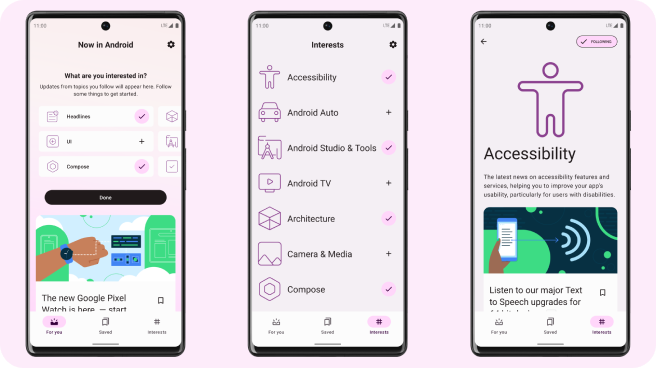
Android development refers to the process of designing, building, testing, and deploying mobile applications specifically for Android-powered devices. Developers primarily use Java or Kotlin within Android Studio, the official IDE supported by Google. The Android ecosystem supports a wide variety of smartphones, tablets, smart TVs, wearables, and IoT devices, making it one of the most versatile platforms in the mobile industry.
With the largest global smartphone market share, Android dominates markets like India and other emerging economies. This widespread adoption makes Android development highly attractive for startups, service-based companies, and enterprises aiming to reach a broad audience. Its open ecosystem and flexible development structure allow innovation at scale.
Key Advantages:
✔ Large Global User Base
Android powers the majority of smartphones worldwide, especially in price-sensitive and developing markets.
This massive reach allows businesses to scale faster and developers to work on applications that impact millions of users globally.
✔ Flexible App Publishing Policies
The Google Play Store offers relatively flexible guidelines compared to other platforms.
Developers can publish updates quickly, test beta versions easily, and deploy apps with fewer restrictions, making it startup-friendly.
✔ Strong Integration with Google Services
Android applications seamlessly integrate with Google products such as Google Maps, Firebase, Google Pay, and Google Cloud.
This makes it easier to build feature-rich applications with authentication, analytics, cloud storage, and location services.
✔ Affordable Development Devices
Unlike iOS, Android apps can be developed and tested on a wide range of budget-friendly devices.
This reduces initial investment costs for learners, freelancers, and startups, making Android development more accessible.
What is iOS Development?
iOS development involves creating applications for Apple devices such as iPhones and iPads using Swift (or Objective-C) within Xcode, Apple’s official development environment. Unlike Android, iOS runs on a controlled hardware ecosystem designed exclusively by Apple, ensuring consistency in performance and user experience.
iOS applications are known for their smooth performance, polished UI, and strong security standards. Many premium brands and international businesses prefer launching their apps on iOS due to the high purchasing power of Apple users.
Key Advantages:
✔ High-Paying User Base
iOS users generally have higher purchasing power and are more likely to make in-app purchases.
This makes iOS development highly attractive for businesses targeting premium markets and subscription-based models.
✔ Strong Security Ecosystem
Apple maintains strict security standards and app review processes.
This controlled ecosystem enhances data protection, reduces malware risks, and builds strong user trust.
✔ Optimized Performance on Apple Hardware
Since Apple designs both hardware and software, iOS apps are highly optimized for performance.
This results in smoother animations, faster response times, and stable user experiences across devices.
✔ Premium App Marketplace
The Apple App Store is known for quality control and high-revenue potential.
Apps that meet Apple’s standards often gain credibility, brand value, and access to a loyal global user base.
Both Android and iOS development offer strong career and business opportunities. The right choice depends on your target audience, budget, performance requirements, and long-term technical goals.
Android vs iOS: Career Perspective
| Factor | Android | iOS |
|---|---|---|
| Job Demand | Very High | High |
| Entry Barrier | Moderate | Slightly Higher |
| Salary (India Avg) | ₹3–8 LPA | ₹4–10 LPA |
| Global Scope | Excellent | Excellent |
In Mohali and Chandigarh, Android developers are in higher demand due to startup growth, while iOS developers often secure premium client-based projects.
Native vs Cross Platform Apps
What are Native Apps?
Native apps are built specifically for one platform (Android or iOS) using platform-specific languages and tools.
Benefits:
-
Best performance
-
Full hardware access
-
Superior UI/UX
-
Platform-specific optimization
Drawback:
Higher development cost if you build for both Android and iOS separately.
What are Cross Platform Apps?
Cross-platform apps use a single codebase to run on multiple platforms (Android & iOS).
Benefits:
-
Faster development
-
Lower cost
-
Single code maintenance
-
Ideal for startups
Drawback:
Slight performance trade-offs in complex apps.
Native vs Cross Platform: Which Should You Choose?
Selecting between native and cross-platform development depends on your project requirements, target audience, performance expectations, and long-term business strategy. Both approaches are powerful, but understanding where each excels helps you make a smarter decision.
Choose Native If Performance, Gaming, or Heavy Graphics Are Required
Native development is ideal for high-performance applications such as gaming apps, real-time streaming platforms, fintech apps, or apps that rely heavily on animations and device hardware. Since native apps are built specifically for one platform, they fully utilize system resources like CPU, GPU, camera, GPS, and sensors without abstraction layers.
This results in smoother animations, faster load times, and superior responsiveness. If your app requires advanced UI transitions, AR/VR features, or complex data processing, native development ensures optimal stability and performance. Enterprises and large-scale applications often prefer native for long-term scalability and precision control.
Choose Cross Platform If Budget and Time Efficiency Are Priorities
Cross-platform development is a smart solution for startups, small businesses, and MVP (Minimum Viable Product) launches. With a single codebase running on both Android and iOS, development time is significantly reduced. This means faster market entry and lower development costs.
It also simplifies maintenance because updates are implemented once instead of separately for multiple platforms. For business apps, service-based applications, e-commerce platforms, and internal company apps, cross-platform frameworks provide excellent performance with cost efficiency. It’s a practical choice when rapid deployment and budget control matter most.
For Career Growth, Learning Both Approaches Increases Opportunities
From a career perspective, mastering both native and cross-platform development gives you a competitive edge. Companies often look for developers who understand platform-specific optimization as well as cross-platform efficiency.
Knowing native development strengthens your foundation in system architecture, performance tuning, and hardware integration. Learning cross-platform frameworks like Flutter or React Native enhances versatility and adaptability. Together, these skills expand job opportunities, increase salary potential, and ensure long-term career sustainability in the evolving mobile development industry.
In today’s competitive IT landscape, developers who combine strong fundamentals with multi-platform expertise stand out the most. The smarter strategy is not choosing one permanently — but understanding when and where to apply each approach effectively.
Flutter vs React Native
What is Flutter?
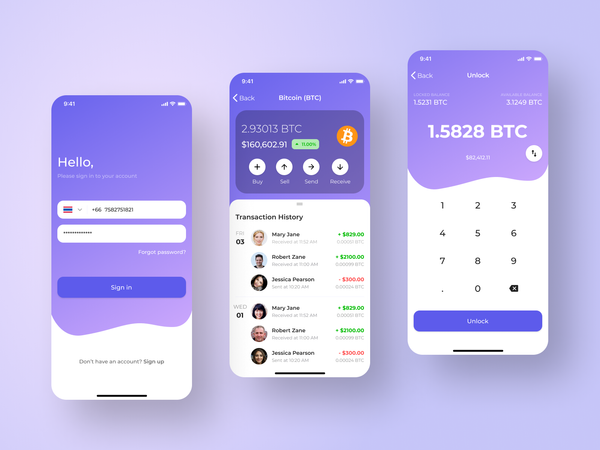
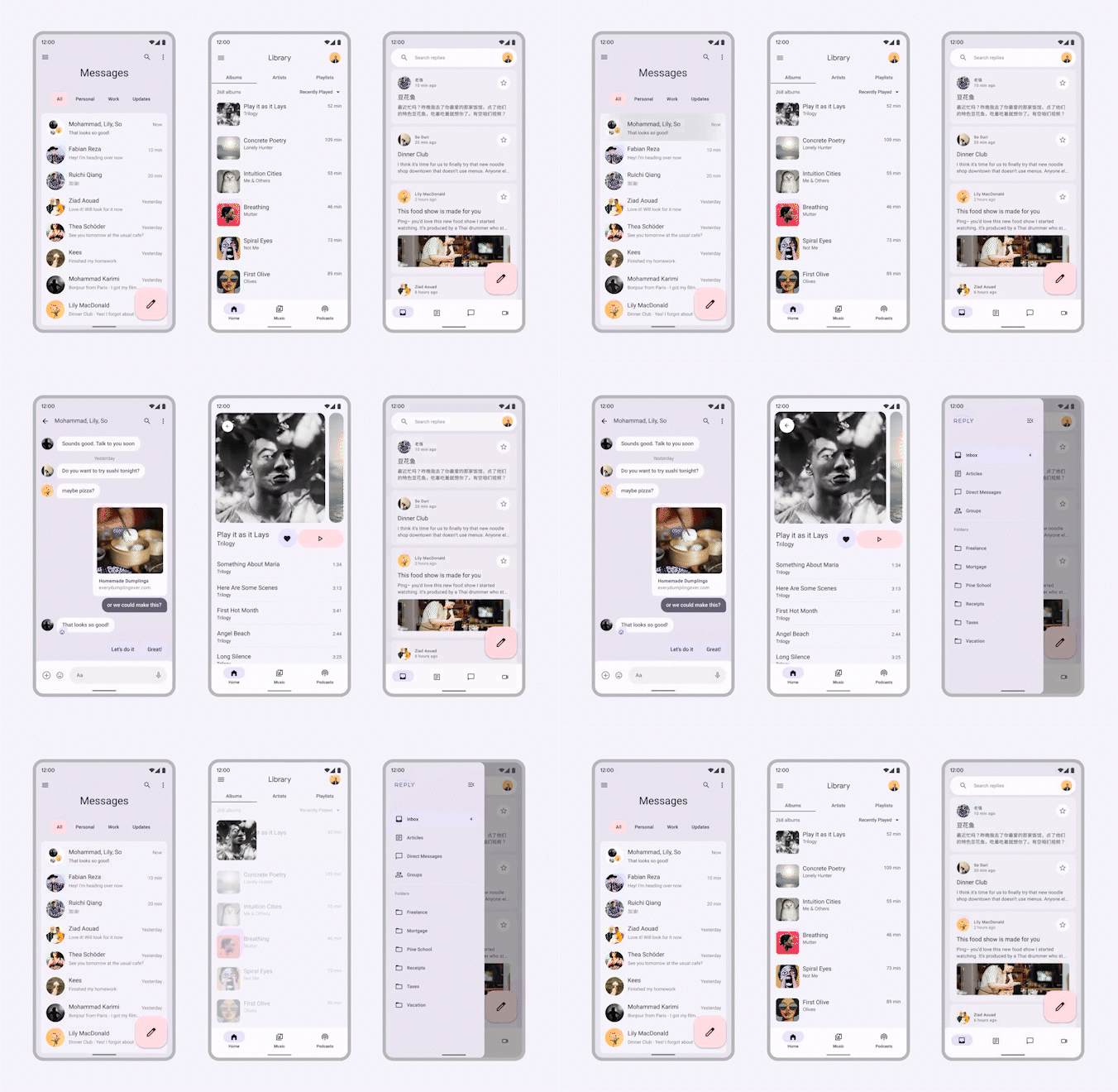
Flutter is a UI toolkit developed by Google using the Dart programming language. It allows developers to create high-performance cross-platform apps from a single codebase.
Strengths:
-
Beautiful customizable UI
-
Fast development with hot reload
-
Strong performance
-
Growing demand in India
What is React Native?
React Native is developed by Meta and uses JavaScript and React. It enables cross-platform mobile app development using web development concepts.
Strengths:
-
Large community support
-
Reusable components
-
Easy for web developers
-
Mature ecosystem
Flutter vs React Native: Detailed Comparison
| Feature | Flutter | React Native |
|---|---|---|
| Language | Dart | JavaScript |
| Performance | Near Native | Good |
| UI Customization | Excellent | Good |
| Community | Growing Fast | Large |
| Learning Curve | Moderate | Easy for JS Developers |
For Students in Mohali:
Flutter is currently trending in industrial training programs due to increasing demand in startups and IT companies.
Which Technology is Best for Industrial Training in Mohali?
If your goal is to secure a job quickly in Mohali or Chandigarh, consider:
-
Android Development for maximum job openings
-
Flutter Development for cross-platform expertise
-
Native Development for performance-focused applications
-
React Native if you already know JavaScript
Learning multiple technologies makes your profile stronger and increases salary potential.
Career Opportunities After Learning These Technologies
After mastering Android, iOS, Flutter, or React Native, you can apply for roles such as:
-
Android Developer
-
iOS Developer
-
Flutter Developer
-
React Native Developer
-
Mobile App Developer
-
Software Engineer
Average Salary in India (Freshers)
₹3 LPA – ₹8 LPA depending on skills and portfolio.
With 3–5 years of experience, salaries can reach ₹10–18 LPA or more.
Future Scope of Mobile App Development in Mohali & Chandigarh
Mohali and Chandigarh are growing IT hubs with:
-
Increasing startup culture
-
IT parks and software companies
-
Demand for e-commerce and service apps
-
Digital transformation initiatives
Businesses require mobile apps for branding, customer engagement, and revenue growth. This ensures long-term career sustainability for developers.
Final Thoughts
Choosing between Android vs iOS development, native vs cross platform apps, and Flutter vs React Native ultimately depends on your career vision, technical background, and long-term growth strategy. Each path offers strong opportunities, but selecting the right starting point can accelerate your success.
Want Maximum Job Opportunities? → Learn Android
Android dominates the global smartphone market, especially in India. Startups, service-based companies, and product firms consistently hire Android developers for new and existing projects.
If your goal is to enter the job market quickly in regions like Mohali and Chandigarh, Android development provides broader entry-level opportunities and steady career growth.
Want Premium Client Projects? → Learn iOS
iOS users typically belong to higher spending segments, which attracts premium businesses and international clients. iOS development often involves working on high-quality, performance-focused applications.
If you aim for global freelancing, overseas job roles, or enterprise-grade product companies, iOS development can open high-paying career paths.
Want Cross-Platform Flexibility? → Learn Flutter
Flutter allows you to build applications for both Android and iOS using a single codebase. This makes it highly attractive for startups and companies looking for cost-effective development solutions.
Learning Flutter increases your adaptability and gives you an edge in companies that prioritize faster app launches and scalable architecture.
Already Know JavaScript? → Choose React Native
If you have a background in web development or JavaScript, React Native offers a smoother transition into mobile app development.
It enables faster learning and helps you leverage your existing skills while expanding into mobile platforms, making it a practical choice for full-stack developers.
The Key to Long-Term Success
No matter which path you choose, theoretical knowledge alone is not enough. Real growth comes from building live projects, solving practical problems, integrating APIs, handling databases, and deploying applications.
Hands-on experience strengthens your portfolio, improves technical confidence, and prepares you for real-world interviews. Companies value developers who can demonstrate working applications rather than just certificates.
Mobile app development is a future-ready career with strong demand across industries. The right combination of technical skills, practical exposure, and continuous learning will ensure sustainable success in this competitive field.


Comments
No comments yet. Be the first to comment.
Leave a Comment