


How Healthcare Organizations Use Data Analytics to Improve Patient Outcomes
Healthcare organizations across the world are experiencing a profound transformation driven by digital technologies. Among these, data analytics has emerged as one of the most powerful tools reshaping how medical institutions deliver care. Instead of relying solely on experience and intuition, healthcare providers are now able to make evidence-based decisions supported by real-time data and advanced analytical models. This shift is enabling hospitals, clinics, and healthcare systems to improve patient outcomes, enhance operational efficiency, and provide more personalized, proactive, and preventive care.
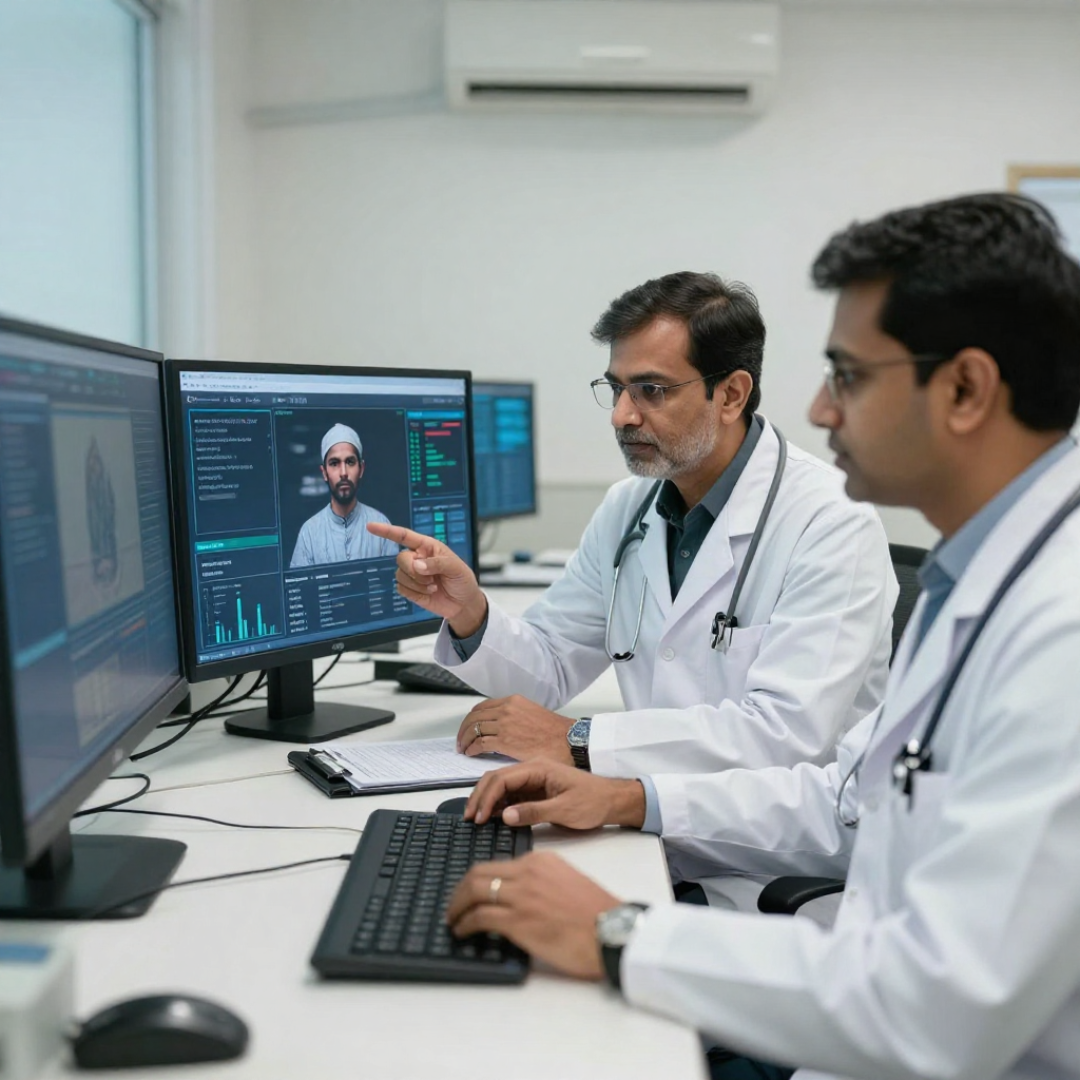
Every interaction between a patient and a healthcare provider generates data. Electronic health records, laboratory results, diagnostic images, prescriptions, wearable devices, remote monitoring tools, and insurance claims collectively create enormous volumes of information. When this data is organized and analyzed effectively, it reveals patterns and insights that were previously invisible. These insights help healthcare professionals understand disease progression, predict health risks, and choose the most effective treatment strategies.
The growing adoption of analytics in healthcare has also increased demand for skilled professionals who can manage and interpret complex datasets. As a result, many students and working professionals are enrolling in a data analytics course to build expertise in this high-impact field. Cities such as Mohali are rapidly emerging as centers for analytics education, offering strong training ecosystems and career opportunities.
Understanding Data Analytics in Healthcare
Data analytics in healthcare refers to the systematic process of collecting, processing, and analyzing health-related data to support decision-making. It combines statistics, computer science, and healthcare knowledge to convert raw data into actionable intelligence.
Healthcare analytics can be broadly categorized into descriptive analytics, which explains what has happened; diagnostic analytics, which identifies why it happened; predictive analytics, which forecasts what is likely to happen; and prescriptive analytics, which recommends what actions should be taken. Together, these approaches provide a comprehensive view of patient care and organizational performance.
By leveraging these analytical methods, healthcare organizations can move from reactive treatment models to proactive and preventive care strategies.
Enhancing Diagnostic Accuracy and Clinical Decision-Making
Accurate diagnosis is the foundation of effective treatment. Data analytics significantly improves diagnostic accuracy by integrating information from multiple sources and comparing it with historical cases.
Advanced analytics systems can analyze patient symptoms, laboratory values, imaging results, and genetic data simultaneously. They identify correlations and patterns that may not be immediately visible to the human eye. For example, subtle changes in blood test results combined with patient history might indicate the early stages of a serious condition.
By providing clinicians with data-driven insights, analytics tools support faster and more accurate diagnoses. This reduces delays in treatment, minimizes misdiagnosis, and ultimately leads to better patient outcomes.
Predictive Analytics for Early Risk Identification
Predictive analytics plays a crucial role in identifying patients who are at high risk of developing certain diseases or complications. Using historical patient data and machine learning algorithms, healthcare organizations can forecast future health events.
For instance, predictive models can identify individuals who are likely to experience heart attacks, strokes, infections, or hospital readmissions. Once these high-risk patients are identified, healthcare teams can implement preventive measures such as lifestyle counseling, medication adjustments, and closer monitoring.
Early intervention not only improves survival rates but also reduces the cost and complexity of treatment. Preventing a disease from progressing is far more effective than treating it at an advanced stage.
Personalized and Precision Medicine
One of the most transformative applications of data analytics in healthcare is personalized medicine. Instead of applying a one-size-fits-all approach, healthcare providers can tailor treatments to individual patients based on their unique characteristics.
Analytics systems analyze genetic information, medical history, lifestyle factors, and treatment responses to determine which therapies are most likely to be effective for a specific patient. This ensures that patients receive the right treatment at the right time.
Personalized medicine leads to higher treatment success rates, fewer side effects, and improved patient satisfaction.
Improving Patient Safety and Reducing Medical Errors
Medical errors are a significant concern in healthcare, as they can lead to serious complications and even fatalities. Data analytics helps reduce errors by continuously monitoring clinical processes and identifying anomalies.
For example, analytics systems can flag unusual medication dosages, detect potential drug interactions, and alert clinicians when laboratory results fall outside safe ranges. These automated checks act as an additional layer of safety, supporting healthcare professionals in delivering accurate and reliable care.
By minimizing errors, healthcare organizations build trust with patients and improve overall care quality.
Real-Time Patient Monitoring and Remote Care
The rise of wearable devices and remote monitoring technologies has generated vast amounts of real-time health data. Data analytics processes this information to track patient conditions continuously.
For patients with chronic illnesses such as diabetes, heart disease, or respiratory disorders, real-time analytics enables early detection of deterioration. Healthcare providers can intervene promptly, often before a patient requires hospitalization.
This approach improves quality of life for patients and reduces the burden on healthcare facilities.
Optimizing Hospital Operations and Resource Management
Beyond clinical care, data analytics plays a vital role in improving hospital operations. Healthcare organizations analyze data related to patient flow, bed occupancy, staff schedules, equipment usage, and supply chains.
These insights help administrators optimize resource allocation, reduce waiting times, and improve overall efficiency. For example, analytics can predict peak admission periods and ensure that adequate staff and resources are available.
Efficient operations translate into better patient experiences and lower operational costs.
Cost Control and Financial Sustainability
Rising healthcare costs are a global challenge. Data analytics helps organizations identify inefficiencies, reduce waste, and control expenses.
By analyzing billing data and treatment costs, hospitals can determine which procedures deliver the best outcomes relative to cost. This enables informed financial planning and ensures that resources are used effectively.
Financial sustainability allows healthcare organizations to continue investing in advanced technologies and high-quality care.
Role of Artificial Intelligence and Machine Learning
Artificial intelligence and machine learning significantly enhance the capabilities of data analytics. These technologies enable systems to learn from data and improve their performance over time.
AI-powered tools can analyze medical images, detect tumors, predict disease progression, and support treatment planning. Rather than replacing clinicians, these tools act as intelligent assistants, helping doctors make more informed decisions.
The integration of AI with healthcare analytics represents the future of intelligent medicine.
Real-World Impact of Data Analytics
Consider a hospital that analyzes patient readmission data and discovers that many patients return due to complications arising from poor post-discharge follow-up. By implementing an analytics-driven follow-up program, the hospital identifies high-risk patients and schedules regular check-ins.
As a result, readmission rates decrease, patient satisfaction improves, and overall outcomes become better. This example illustrates how analytics directly translates into improved care.
Growing Demand for Healthcare Data Analytics Professionals
As healthcare organizations increasingly rely on data-driven strategies, the demand for skilled analytics professionals continues to grow.
Completing a data analytics course equips individuals with essential skills in data visualization, statistical analysis, programming, and machine learning. These competencies are highly valued in healthcare settings.
Students and professionals in Mohali are particularly well-positioned to benefit from this trend, as the city offers strong training infrastructure and industry exposure.
Career Opportunities in Healthcare Analytics
Graduates with analytics expertise can pursue roles such as Healthcare Data Analyst, Clinical Analyst, Business Intelligence Analyst, and Operations Analyst.
These professionals work closely with clinicians and administrators to transform data into actionable insights that improve patient care.
Influence of Digital Communities and Professional Networks
Digital platforms such as instagram and linked in have become valuable resources for learning about healthcare analytics trends, certifications, and career opportunities. Professionals often share case studies, research findings, and job openings, helping learners stay informed and connected.

Future Outlook of Data Analytics in Healthcare
The future of healthcare will be increasingly data-centric. Smart hospitals, telemedicine, wearable technologies, and AI-driven diagnostics will generate even more data.
Advanced analytics will enable continuous monitoring, real-time decision-making, and personalized care at an unprecedented scale.
Healthcare organizations that invest in analytics today will be better prepared to meet the challenges of tomorrow.
Conclusion
Data analytics is revolutionizing healthcare by transforming raw data into meaningful insights that improve patient outcomes. From early disease detection and personalized treatment to operational efficiency and patient safety, analytics touches every aspect of modern healthcare.
For individuals seeking a future-ready and impactful career, enrolling in a data analytics course is a strategic choice. With its growing educational ecosystem, Mohali offers excellent opportunities to build expertise in this dynamic field.
By embracing data analytics, healthcare organizations are creating a smarter, safer, and more patient-centered future.


Comments
No comments yet. Be the first to comment.
Leave a Comment