


Top Benefits of Learning UX UI Designing in Mohali for Students and Professionals
Introduction
The digital world is growing rapidly. Every company today relies on websites, mobile applications, and digital platforms to reach customers. However, simply having a website or application is not enough. It must be easy to use, visually appealing, and designed in a way that users can interact with it comfortably.
This is where UX/UI design plays a crucial role. UX (User Experience) and UI (User Interface) design help create digital products that are both functional and attractive.
Due to the increasing demand for digital products, the demand for UX/UI designers has also grown significantly. Many students and professionals are now choosing UX/UI design as a career because it offers creativity, technology exposure, and strong job opportunities.
If you are planning to learn UX/UI design in North India, Mohali has become a popular location because of its growing IT industry and training institutes like TechCadd Mohali that provide professional courses in digital skills.
This article explains the key benefits of learning UX/UI design and why Mohali is an excellent place to start your journey.
Understanding UX/UI Designing
Before exploring the benefits, it is important to understand what UX/UI design actually means.
User Experience (UX)
User Experience focuses on how users interact with a product and how easy it is for them to complete tasks.
UX designers analyze user behavior and design solutions that improve usability.
UX activities include:
-
User research
-
Persona creation
-
User journey mapping
-
Wireframing
-
Prototyping
-
Usability testing
The goal of UX design is to create a smooth and satisfying experience for users.
User Interface (UI)
User Interface focuses on the visual appearance of the product.
UI designers work on elements such as:
-
Layout structure
-
Colors and typography
-
Buttons and icons
-
Spacing and alignment
-
Visual hierarchy
UI design ensures that the interface looks modern and appealing.
Both UX and UI work together to create successful digital products.
Growing Demand for UX/UI Designers
One of the biggest advantages of learning UX/UI design is the strong demand in the job market.
Businesses today understand that a good user experience can increase customer satisfaction and improve conversion rates.
Companies need UX/UI designers for:
-
Mobile applications
-
Websites
-
SaaS platforms
-
E-commerce stores
-
Online learning platforms
Because of this demand, UX/UI designers are required in many industries including technology, finance, healthcare, education, and retail.
Mohali as an Emerging IT Hub
Mohali has become one of the fastest-growing IT cities in North India. The city is home to many IT companies, startups, and digital agencies.
Advantages of studying UX/UI design in Mohali include:
-
Growing technology ecosystem
-
Affordable cost of living
-
Access to IT companies and internships
-
Professional training institutes
Students who study in Mohali often get exposure to real industry environments.
Professional Training at TechCadd Mohali
One of the institutes providing professional UX/UI training is TechCadd Mohali.
The institute offers structured courses designed according to industry requirements.
Students learn the complete design process, from research to final product interface.
The training focuses on practical skills so that students can work confidently on real projects.
Industry Tools Used in UX/UI Design
UX/UI designers use specialized tools to design and prototype digital products.
One of the most popular tools used in the industry is Figma.
This tool allows designers to:
-
Create interface layouts
-
Build interactive prototypes
-
Collaborate with team members
-
Share designs with developers
Learning industry tools is essential for becoming a professional designer.

Key Benefits of Learning UX/UI Designing
Creative Career Opportunities
UX/UI design is a creative field where designers can express their ideas visually.
Unlike many technical careers that involve repetitive tasks, UX/UI design encourages innovation and creative thinking.
Designers constantly experiment with layouts, colors, and interactions to create better user experiences.
High Demand in the Job Market
UX/UI designers are required in almost every digital product company.
Startups and established businesses alike need designers who can improve their digital platforms.
Because of this demand, job opportunities for UX/UI designers continue to increase every year.
Attractive Salary Packages
UX/UI design offers competitive salaries compared to many other entry-level careers.
Freshers can expect salaries ranging from ₹3 lakh to ₹6 lakh per year depending on their skills and portfolio.
With experience, designers can earn significantly higher salaries and even work with international companies.
Opportunities for Freelancing
Another advantage of UX/UI design is the ability to work as a freelancer.
Designers can offer services such as:
-
Website UI design
-
Mobile app design
-
UX research consulting
-
Landing page optimization
Freelancing allows designers to work with global clients and build independent careers.
Remote Work Possibilities
Many UX/UI design jobs can be performed remotely.
Companies often hire remote designers who collaborate with teams through online platforms.
This allows designers to work from home or from different locations.
Importance of Portfolio in UX/UI Career
A portfolio is the most important element when applying for UX/UI jobs.
A strong portfolio demonstrates a designer’s ability to solve problems and create effective designs.
A good UX/UI portfolio includes:
-
Case studies explaining the design process
-
Wireframes and prototypes
-
Final UI designs
-
Explanation of design decisions
Employers evaluate portfolios to understand how designers approach problems.
UX/UI Skills That Students Develop
Learning UX/UI design helps students develop multiple professional skills.
These include:
-
Creative thinking
-
Analytical skills
-
Research abilities
-
Communication skills
-
Problem-solving skills
These skills are useful in many professional roles beyond design.
UX/UI vs Graphic Design
Many students confuse UX/UI design with graphic design.
Graphic design focuses on creating visual content for marketing, branding, and print media.
UX/UI design focuses on designing digital interfaces and improving user experience.
While both fields involve creativity, UX/UI design requires more focus on research and user behavior.
Future Trends in UX/UI Design
The UX/UI field continues to evolve with new technologies.
Some important trends include:
Artificial Intelligence in Design
AI tools are helping designers automate repetitive tasks.
Voice Interfaces
Voice-based interaction is becoming popular in smart devices.
Augmented Reality Experiences
AR technology is creating immersive digital experiences.
Personalized User Experiences
Products are increasingly tailored to individual user preferences.
Designers who stay updated with these trends can remain competitive in the industry.
Career Opportunities After Learning UX/UI
After completing UX/UI training, professionals can pursue several career paths including:
-
UX Designer
-
UI Designer
-
Product Designer
-
Interaction Designer
-
Mobile App Designer
-
Web Designer
These roles exist in startups, technology companies, and digital agencies.
Importance of Continuous Learning
The design industry changes rapidly. Designers must keep learning new tools, trends, and techniques.
Continuous learning helps designers remain competitive and improve their skills over time.
Successful designers regularly analyze popular apps and websites to understand design patterns and improve their work.
Conclusion
UX/UI designing is one of the most exciting and rewarding careers in the digital industry. With the rapid growth of technology and digital products, the demand for skilled designers continues to increase.
Learning UX/UI design in a growing technology hub like Mohali can provide students with valuable opportunities and exposure.
Institutes such as TechCadd Mohali offer structured training that helps students understand the complete design process and build strong portfolios.
With the right training, practice, and dedication, students can build successful careers as UX/UI designers and contribute to creating better digital experiences for users around the world.
Practical Learning Through Real Projects
One of the most important aspects of becoming a successful UX/UI designer is working on real-world projects. Theory alone cannot prepare students for the challenges they will face in professional environments. That is why practical learning plays a crucial role in UX/UI training.
During professional training programs, students often work on projects such as:
-
Mobile app interface design
-
Website redesign projects
-
Dashboard UI for analytics platforms
-
E-commerce website layouts
-
Landing page design for startups
These projects allow students to apply their knowledge of research, wireframing, and visual design to real scenarios. When students solve practical problems, they gain confidence and improve their design thinking skills.
Working on projects also helps students understand how to deal with design constraints such as limited screen space, usability challenges, and different user requirements.
Importance of Wireframing in UX/UI Design
Wireframing is an essential step in the UX design process. It helps designers create the basic structure of a digital product before focusing on visual details.
A wireframe is essentially a blueprint that shows:
-
Page layout
-
Placement of elements
-
Navigation structure
-
Content hierarchy
By creating wireframes first, designers can focus on usability rather than visual design.
Wireframes also help teams communicate ideas effectively. Developers, product managers, and stakeholders can review the wireframe and suggest improvements before the final design is created.
This approach saves time and prevents costly design changes later in the development process.
Understanding User Journey Mapping
User journey mapping is another critical concept in UX design. It involves visualizing the steps a user takes while interacting with a product.
For example, if a user wants to purchase a product from an e-commerce website, the journey might include:
-
Searching for the product
-
Viewing product details
-
Adding the product to the cart
-
Completing the checkout process
-
Receiving order confirmation
Designers analyze each step of the journey to identify potential problems.
If users drop off during checkout, it may indicate that the payment process is too complicated. Designers can simplify the process to improve the user experience.
User journey mapping helps designers understand the complete experience rather than focusing on individual screens.
Role of UX Research in Product Design
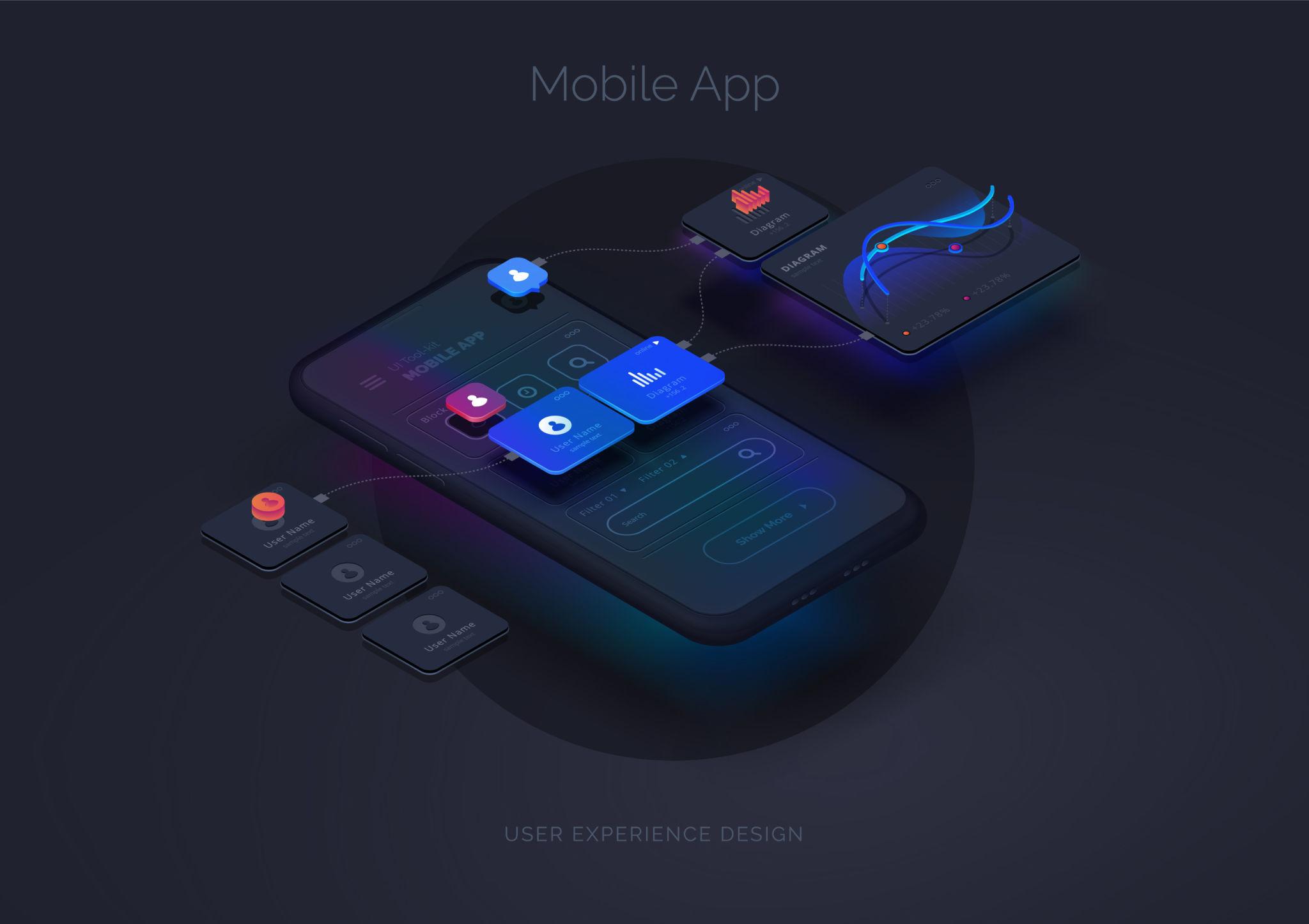
UX research helps designers understand user needs and behaviors.
Research methods may include:
-
User interviews
-
Surveys
-
Observational studies
-
Competitor analysis
By collecting data directly from users, designers can make informed decisions rather than relying on assumptions.
For example, research may reveal that users prefer a simpler navigation menu or shorter registration forms. Designers can then modify the interface accordingly.
Research-driven design leads to better usability and higher user satisfaction.
Collaboration Between Designers and Developers
UX/UI designers rarely work alone. They collaborate with developers, product managers, and other stakeholders during product development.
Designers create visual layouts and prototypes, while developers transform these designs into functional applications.
Effective collaboration ensures that:
-
Designs are technically feasible
-
Developers understand the design intent
-
User experience remains consistent throughout development
Design tools like Figma allow designers to share interactive prototypes and design specifications with developers.
This collaboration reduces misunderstandings and speeds up the development process.
Importance of Usability Testing
Usability testing is a method used to evaluate how easily users can interact with a product.
During usability testing, designers observe real users performing tasks such as:
-
Navigating a website
-
Completing a purchase
-
Filling out forms
The goal is to identify areas where users struggle.
For example, if users cannot find the search bar or are confused by navigation menus, designers can redesign those elements to improve usability.
Usability testing ensures that the final product meets user expectations.
Designing for Different Devices
Users access digital products from a variety of devices including smartphones, tablets, and desktop computers.
Designers must ensure that interfaces work smoothly across different screen sizes.
Responsive design techniques allow layouts to adjust automatically depending on the device being used.
Important considerations include:
-
Flexible grid systems
-
Adaptive images
-
Scalable typography
-
Touch-friendly buttons
Designing for multiple devices improves accessibility and ensures that users have a consistent experience.
Role of Visual Hierarchy in UI Design
Visual hierarchy refers to the arrangement of elements in a way that guides users' attention.
Designers use visual hierarchy to highlight important information and make interfaces easier to understand.
Techniques used to create visual hierarchy include:
-
Larger font sizes for headings
-
Bold typography for important text
-
Color contrast for call-to-action buttons
-
Proper spacing between elements
A clear visual hierarchy helps users quickly understand the content and navigate through the interface.
Importance of Consistency in Design
Consistency is a key principle in UI design. When elements such as buttons, icons, and typography follow consistent patterns, users can easily understand how the interface works.
For example:
-
All primary buttons should have the same color and style
-
Navigation menus should appear in the same location across pages
-
Icons should follow a consistent design style
Consistency reduces confusion and improves usability.
Design systems help maintain consistency across large digital products.
Design Systems and UI Libraries
Design systems are collections of reusable components, guidelines, and design standards used across a product.
A design system may include:
-
Color palettes
-
Typography guidelines
-
Button styles
-
Icon libraries
-
Layout rules
Design systems ensure that large teams maintain a consistent visual identity across different parts of a product.
Companies like Google, Apple, and Microsoft use design systems to maintain consistency across their platforms.
UX/UI in Different Industries
UX/UI design is not limited to technology companies. Many industries require designers to improve their digital platforms.
Industries that hire UX/UI designers include:
Technology and software development
E-commerce and retail
Banking and financial services
Healthcare applications
Educational platforms
Travel and hospitality services
This wide demand makes UX/UI design a versatile career.
Personal Branding for UX/UI Designers
In addition to technical skills, designers benefit from building a personal brand.
Personal branding helps designers showcase their expertise and attract job opportunities.
Some ways to build a personal brand include:
-
Sharing design work on professional platforms
-
Writing about design processes
-
Participating in design communities
-
Creating educational content
A strong personal brand helps designers stand out in a competitive job market.
Importance of Networking
Networking is an important part of building a successful career.
Designers can expand their professional network by:
-
Attending design meetups
-
Joining online communities
-
Participating in workshops
-
Collaborating on projects
Networking allows designers to learn from experienced professionals and discover job opportunities.
Continuous Practice for Skill Improvement
Design skills improve through consistent practice.
Many designers practice by redesigning popular applications and websites.
For example, designers may analyze how popular apps handle navigation, onboarding, or checkout processes.
By redesigning these experiences, designers learn how to improve usability and visual appeal.
Regular practice helps designers refine their skills and stay updated with industry standards.
Role of Creativity in UX/UI Design
Creativity plays a vital role in UX/UI design. Designers must find innovative ways to present information and solve user problems.
Creative thinking helps designers:
-
Develop unique layouts
-
Improve user engagement
-
Design memorable user experiences
However, creativity in UX/UI design must always be balanced with usability and functionality.
Future Scope of UX/UI Designers
The future of UX/UI design looks very promising as digital transformation continues worldwide.
Emerging technologies such as artificial intelligence, augmented reality, and virtual reality will create new design challenges and opportunities.
Designers who continuously update their skills will be able to work on advanced digital products and innovative user experiences.
Final Extended Conclusion
UX/UI design is a powerful combination of creativity, research, and technology. It focuses on understanding users and designing digital products that are both functional and visually appealing.
With the rapid growth of digital platforms, the demand for skilled UX/UI designers continues to increase globally.
Training programs offered by institutes such as TechCadd Mohali help students develop practical skills, build professional portfolios, and prepare for successful careers in the design industry.
By learning design principles, mastering tools like Figma, and continuously improving their skills, aspiring designers can build rewarding careers and contribute to creating better digital experiences for users around the world.


Comments
No comments yet. Be the first to comment.
Leave a Comment