A coding training institute in Mohali provides practical programming courses in technologies like Python, Java, MERN stack, and web development.It focuses on hands-on projects, real-world skills, and interview preparation for IT jobs.These institutes help students and professionals build strong technical foundations and career opportunities in the tech industry.
Course Overview: Your Guide to Coding Training Institutes in Mohali
Mohali has established itself as a significant hub for technology education in the Tricity region (Chandigarh, Mohali, Panchkula). Coding training institutes in Mohali cater to a wide range of learners, from engineering students (B.Tech, MCA, BCA) needing industrial training to professionals looking to upskill or switch to an IT career . The core philosophy across leading institutes is "learning by building," with a strong emphasis on live projects, practical exposure, and industry readiness .
1. 🎯 Types of Training Programs Offered
Institutes in Mohali structure their courses to fit different academic schedules and career goals. The most common formats are:
-
6 Months Industrial Training: A comprehensive program designed for in-depth learning, often aligned with the final semester of engineering degrees. It covers a full curriculum, major project work, and extensive placement preparation .
-
6 Weeks Training: A shorter, more intensive program ideal for students who need quick, practical exposure during summer or winter vacations. It focuses on core skills and a mini-project .
-
**Live Project Training
Here is a detailed Course Overview on the topic of Coding Training Institutes in Mohali, designed to be comprehensive and informative for prospective students.
Course Overview: Navigating the Coding Training Ecosystem in Mohali
Introduction: The Rise of Mohali as an IT Education Hub
Mohali, part of the Chandigarh Tricity region, has rapidly evolved from a quiet suburb into a burgeoning hub for technology and education. Its strategic location, coupled with the growth of the Chandigarh IT Park, has created a unique ecosystem where academic learning meets industrial application. Coding training institutes in Mohali have become the bridge connecting thousands of aspiring engineers and graduates with the competitive demands of the global IT industry.
This overview provides a comprehensive guide to understanding the structure, curriculum, methodologies, and outcomes associated with coding training institutes in this region. Whether you are a B.Tech student seeking industrial training, a career changer looking to enter the tech sector, or a professional aiming to upskill, understanding the landscape of Mohali’s coding education is the first step toward a successful career in technology.
Part 1: The Target Audience and Their Needs
Coding institutes in Mohali cater to a diverse demographic. Understanding the target audience is crucial to appreciating the course structures.
1. Engineering Students (B.Tech, BCA, MCA)
This is the largest cohort. These students require training that supplements their university curriculum.
-
Needs: Practical exposure to bridge the gap between theoretical textbook knowledge and industry application. They often need "6 Months Industrial Training" to fulfill university credit requirements or "6 Weeks Summer Training" for quick upskilling.
-
Goal: To become "industry-ready" and secure campus placements or off-campus job opportunities.
2. Recent Graduates (Job Seekers)
Graduates who have completed their degrees but lack the practical skills required by employers.
-
Needs: Intensive, end-to-end training programs that include soft skills, resume building, and mock interviews alongside coding instruction.
-
Goal: Immediate placement in entry-level positions such as Junior Developer, Web Designer, or Quality Analyst.
3. Working Professionals
Individuals already employed but looking to switch domains (e.g., from non-IT to IT) or upgrade their skills in new technologies (e.g., moving from Core Java to Full Stack Development).
-
Needs: Flexible timings (weekend batches), fast-track courses, and advanced modules.
-
Goal: Career advancement, salary hike, or lateral movement within their organization.
4. School Students (10+2)
A smaller but growing segment interested in building a foundation in coding before college.
-
Needs: Fundamental logic building, basic web design, and introductory programming languages like Python.
-
Goal: To understand the basics of computer science and make informed career choices.
Part 2: Core Curriculum and Technology Stacks
The curriculum offered by coding institutes in Mohali is highly dynamic, changing every 6-12 months to keep pace with industry trends. However, they generally revolve around specific technology stacks.
A. The Foundation: Core Programming Languages
Regardless of the specialization, most courses begin with the fundamentals of logic building and programming syntax.
-
C and C++: Taught as the first languages to understand memory management, data structures, and object-oriented programming (OOP) concepts.
-
Core Java: A staple in Mohali institutes, focusing on OOPs, Multithreading, Exception Handling, and Collections.
B. Web Development
This is the most sought-after domain in Mohali due to the high demand for web developers.
1. Front-End Development
-
Core Technologies: HTML5, CSS3, JavaScript (ES6).
-
Frameworks/Libraries: React.js, Angular, Vue.js. React is currently the most popular due to its high demand in the local startup ecosystem and remote job market.
-
UI/UX Basics: Introduction to tools like Figma and Adobe XD.
2. Back-End Development
-
Languages: Advanced Java (J2EE), Python, PHP.
-
Frameworks: Spring Boot (Java), Django/Flask (Python), Laravel (PHP), Node.js (JavaScript).
-
Databases: SQL (MySQL, PostgreSQL) and NoSQL (MongoDB).
3. Full Stack Development
The flagship program of most institutes. It combines front-end and back-end technologies, teaching students how to build a complete web application from scratch. The MERN Stack (MongoDB, Express.js, React.js, Node.js) and MEAN Stack (MongoDB, Express.js, Angular, Node.js) are extremely popular.


C. Mobile App Development
With the proliferation of smartphones, app development is a high-value skill.
-
Android Development: Java/Kotlin using Android Studio.
-
iOS Development: Swift (less common due to hardware constraints, but some institutes offer theory).
-
Cross-Platform Development: Flutter (Dart) and React Native, which allow a single codebase for both iOS and Android.
D. Emerging Technologies
To stay ahead of the curve, top-tier institutes in Mohali have started offering specialized courses in:
-
Data Science & Machine Learning: Python libraries (Pandas, NumPy, Scikit-learn), data visualization, and basic ML algorithms.
-
Cloud Computing: Introduction to AWS (Amazon Web Services) or Microsoft Azure for deployment and infrastructure management.
-
Digital Marketing: Often offered as a complementary course for tech students to understand SEO, SEM, and analytics.
Part 3: Training Methodologies (The "How" of Learning)
The teaching methodology distinguishes a good coding institute from a mediocre one. Mohali institutes pride themselves on a "learning by doing" approach.
1. Instructor-Led Live Training
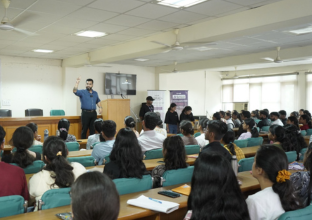
Unlike pre-recorded online courses, institutes in Mohali emphasize live, interactive sessions. Trainers are often industry professionals with 5-10 years of experience who bring real-world scenarios into the classroom.
2. The Project-Based Learning Model
Theory is limited to 30-40% of the time. The majority of the course is dedicated to projects.
-
Mini Projects: Assigned after every major module (e.g., building a calculator in JavaScript, a to-do app in React).
-
Major/Live Projects: At the end of the course, students work on a comprehensive project that mimics a real-world software development lifecycle. This could be an e-commerce portal, a social networking site, or a hospital management system.
3. Lab Infrastructure and Practical Exposure
Institutes invest in computer labs with high-speed internet and necessary software. Students are encouraged to spend extra hours coding in the lab to debug errors and experiment.
4. Soft Skills and Personality Development
Recognizing that technical skills alone do not land jobs, institutes integrate:
-
Communication Skills: Improving English fluency and presentation skills.
-
Resume Building: Crafting ATS (Applicant Tracking System) friendly resumes.
-
Mock Interviews: Technical and HR round simulations to build confidence.
5. Blended Learning (Offline + Online)
Post-pandemic, many institutes have adopted a hybrid model. While core classes are often held offline for better interaction, they provide online portals with recorded lectures, assignments, and coding challenges for revision.
Part 4: Duration and Modes of Training
The duration of a course dictates its depth and intensity.
A. 6 Months Industrial Training
-
Ideal For: Final year students (B.Tech/BE/MCA).
-
Focus: In-depth coverage of a technology stack, usually one major language (like Java or Python) and its associated frameworks. Includes a major project that can be showcased in the resume.
-
Outcome: Students are groomed for campus placements and walk-in drives.
B. 6 Weeks Summer Training
-
Ideal For: Students in their pre-final year or those wanting a quick introduction.
-
Focus: Core concepts and a minor project. It’s a crash course designed to give a taste of industrial work.
-
Outcome: A training certificate and a basic project.
C. Fast-Track / Weekend Batches
-
Ideal For: Working professionals or those who cannot commit to a full-time schedule.
-
Focus: Condensed curriculum focusing on job-critical skills.
-
Outcome: Skill upgradation without leaving the current job.
Part 5: Placements and Career Support (The Deciding Factor)
The ultimate goal of enrolling in a coding institute is employment. The placement ecosystem in Mohali is robust but requires careful scrutiny by the student.
The Placement Process
-
Skill Assessment: Once the technical training concludes, institutes conduct internal assessments.
-
Placement Training: This is a dedicated phase involving aptitude tests, group discussions, and technical interview preparation.
-
Company Drives: Institutes invite IT companies (from Mohali, Chandigarh, Panchkula, and sometimes Delhi-NCR) for on-campus drives.
-
Job Fairs: Some larger institutes organize job melas where multiple companies participate simultaneously.
Types of Hiring Partners
-
Startups: Mohali and Chandigarh have a vibrant startup scene that hires for front-end and full-stack roles.
-
Service-Based Companies: These are the bulk hirers, looking for entry-level programmers, testers, and support engineers.
-
MNCs: Some multinational companies with offices in the IT Park recruit directly through these institutes.
Important Considerations for Students
-
Placement vs. Training: A reputable institute will guarantee "placement assistance" (helping you apply and prepare) rather than a 100% "job guarantee."
-
Company Portfolio: Students should ask for a list of companies that have hired from previous batches.
-
Alumni Network: A strong alumni network on LinkedIn is a good indicator of the institute's credibility.
Part 6: Choosing the Right Institute in Mohali
With a plethora of options, students often face analysis paralysis. Here is a checklist for making an informed decision.
1. Faculty Expertise
The trainer is more important than the infrastructure. A good trainer can make even a basic computer lab a great learning environment. Look for institutes that provide profiles of their trainers (their industry experience, years of teaching, etc.).
2. Curriculum Relevance
Ask for a detailed syllabus. Compare it with job descriptions on LinkedIn or Naukri.com. Does the course teach legacy technology (like Core PHP only) or modern stacks (like Laravel or Node.js)?
3. Batch Size
Smaller batches (15-20 students) ensure personalized attention. If the batch size is too large, the "live project" guidance becomes superficial.
4. Certification
Does the institute provide a certificate that is recognized or valued by the industry? While a certificate is a piece of paper, the skills demonstrated during the interview are what matter. However, a well-structured certificate from a reputed institute adds weight to a fresher's resume.
5. Demo Class
Always attend a demo class before paying fees. It helps you gauge the teaching style and the institute's environment.
6. Infrastructure
While not the primary criterion, a good lab with AC, power backup, and modern computers contributes to a conducive learning environment, especially during the hot summer months in Mohali.
Part 7: The Future of Coding Education in Mohali
The landscape of coding training in Mohali is continuously evolving.
-
Focus on Specialization: General courses are giving way to specialized tracks like "Data Science with Python," "Cloud DevOps," and "Cybersecurity."
-
Remote Opportunities: Institutes are increasingly training students not just for local jobs but for remote roles with companies across India and abroad. This requires training in remote collaboration tools (Jira, Slack, GitHub).
-
Collaboration with Industry: There is a growing trend of institutes partnering directly with software companies to run "corporate training" programs, where the curriculum is designed specifically to fill the talent pipeline of those companies.
-
Integration of AI: Institutes are beginning to incorporate AI tools (like GitHub Copilot, ChatGPT) into the curriculum, teaching students how to use AI as a productivity tool rather than fearing it as a replacement.
Conclusion: Is a Coding Institute in Mohali Right for You?
A coding training institute in Mohali can be the catalyst that transforms a fresh graduate into a employable professional. The ecosystem thrives on its practical approach, industry-connected faculty, and a relentless focus on placements.
However, it is essential to approach this decision with clarity. An institute is a facilitator, not a magician. The success of the training depends equally on the student's dedication, the hours they spend coding outside the classroom, and their willingness to learn continuously.
For those willing to put in the effort, the coding institutes in Mohali offer a structured, supportive, and effective pathway into the world of information technology. They serve as the vital link between academic knowledge and professional success, making the dream of a stable, high-growth IT career a tangible reality for thousands of students every year.