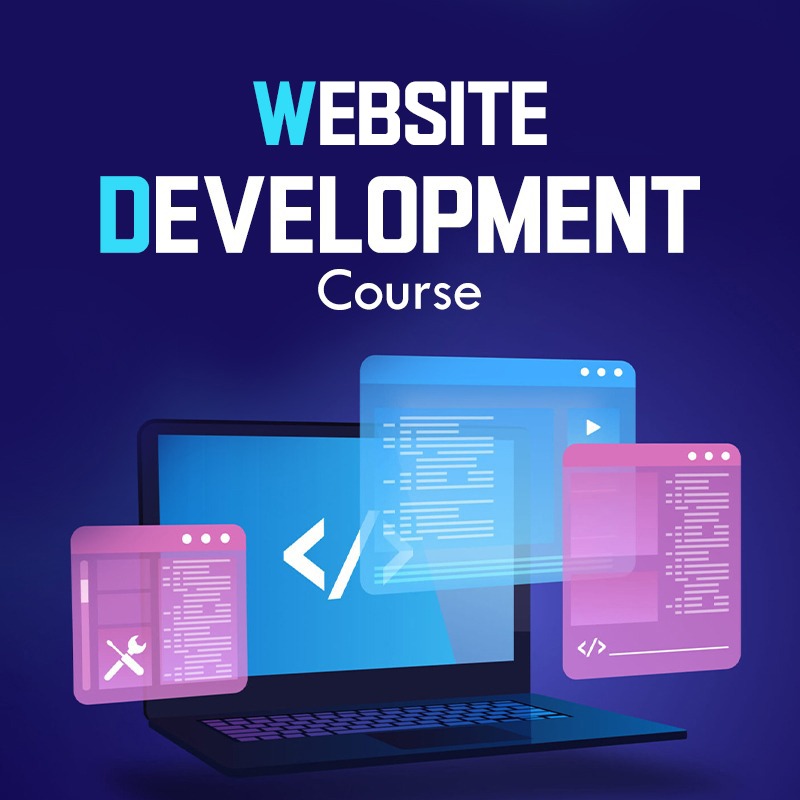
The Full Stack Web Development Course in Mohali is designed to help aspiring developers build modern, dynamic, and scalable web applications from scratch. The course covers both front-end and back-end development, including technologies such as HTML, CSS, JavaScript, React, Node.js, Express, and MongoDB. Students learn how to design responsive user interfaces, develop server-side applications, and manage databases efficiently.

Students gain hands-on experience in building and customizing real-world web applications while learning modern development practices used in the tech industry. The program also focuses on API integration, version control with Git, deployment techniques, and performance optimization. With practical training and expert guidance, learners develop the skills and confidence needed to build complete web solutions and become job-ready developers.
Looking for a high-impact Full Stack Web Development Course in Mohali? Techcadd Mohali, a leading IT and digital training institute, is quickly becoming the preferred destination for students and professionals seeking practical full stack development skills. With the growing demand for skilled developers and modern web applications, mastering full stack technologies has become essential for a successful career in 2026.
The Full Stack Web Development Course at Techcadd Mohali blends modern programming technologies with hands-on development projects. While the institute offers flagship programs in digital marketing, Shopify development, and software training, the full stack curriculum specifically covers front-end frameworks, back-end development, database management, REST APIs, authentication systems, and deployment strategies. The course is suitable for beginners with no prior coding experience as well as professionals looking to upgrade their technical skills.
Students in the Full Stack Web Development Course at Techcadd Mohali receive personalized mentorship, live project experience, and practical training in building full-featured websites and web applications. The program emphasizes real-world projects, portfolio development, and industry best practices, ensuring learners gain the expertise needed to work as professional web developers.
Whether your goal is to become a Full Stack Developer, Web Developer, Software Engineer, or Freelancer, the Full Stack Web Development Course in Mohali equips you with industry-relevant skills, career support, and placement assistance. By combining technical training with hands-on coding experience, Techcadd helps learners build strong programming foundations and successful careers in the tech industry.
Located in the heart of Punjab’s growing IT hub, Techcadd Mohali has established this program as a premier course for students, entrepreneurs, and professionals aiming for a successful career in web development. With the increasing demand for skilled developers worldwide, this training provides the practical expertise necessary to design, develop, and deploy modern web applications confidently.
Understanding Full Stack Web Development
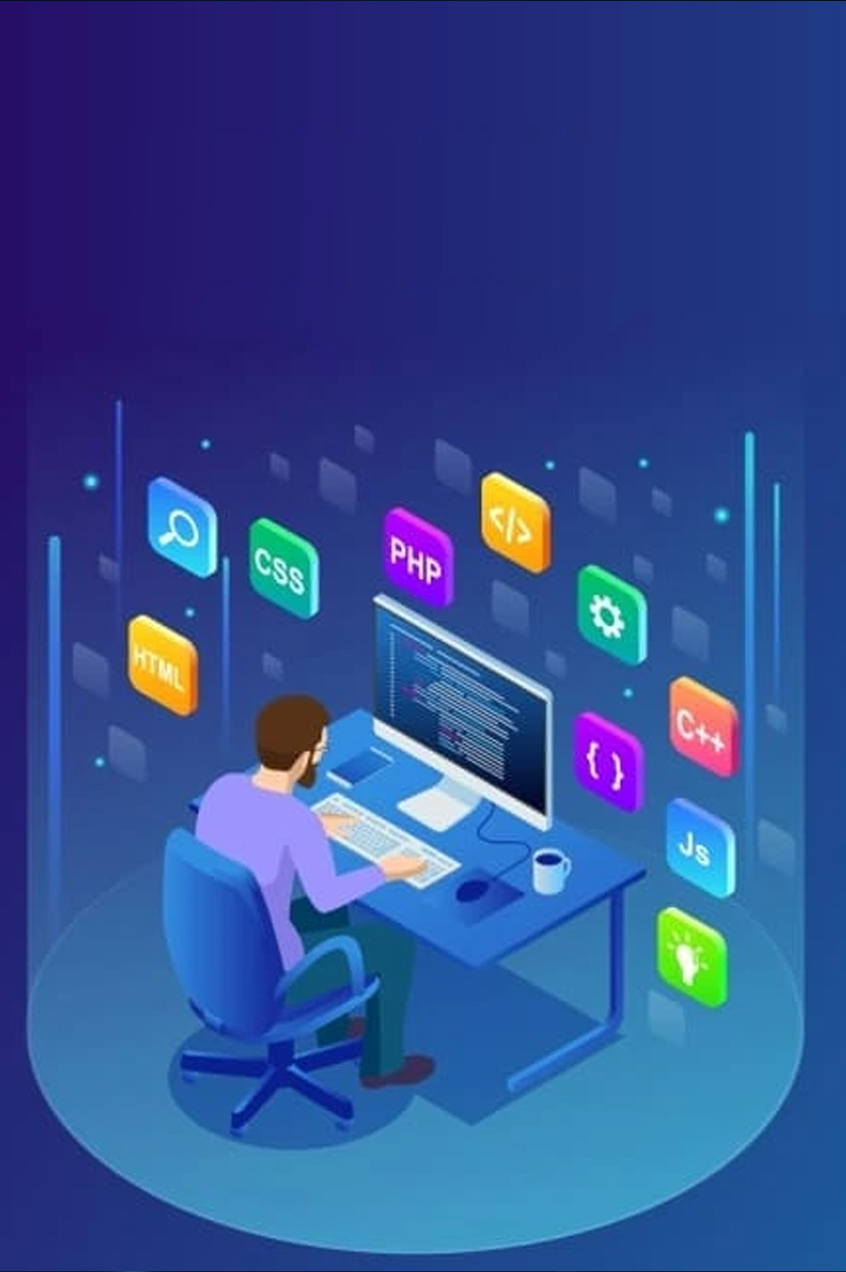
The Full Stack Web Development Course in Mohali at Techcadd Mohali begins by introducing the fundamentals of full stack development—building both the front-end and back-end of modern web applications. Students learn how websites function from user interface design to server-side logic and database management. The course explains key technologies such as HTML, CSS, JavaScript, React, Node.js, Express, and MongoDB. Learners also understand the advantages of full stack development, including the ability to build complete applications, work on both client and server sides, and pursue versatile career opportunities in the IT industry.
Course Curriculum and Structure
The course is structured to guide students from beginner to advanced levels with a practical learning approach:
Front-End Development: Learn HTML, CSS, Bootstrap, and JavaScript to design responsive and interactive websites. Students also explore modern frameworks like React to build dynamic user interfaces.
Back-End Development: Understand server-side programming using Node.js and Express, including API development, authentication systems, and application logic.
Database Management: Gain hands-on experience with MongoDB and database integration to store, manage, and retrieve application data efficiently.
Version Control & Collaboration: Learn Git and GitHub to manage code, collaborate with developers, and track project changes.
API Integration & Deployment: Build REST APIs, connect front-end with back-end systems, and deploy web applications on live servers.
Performance Optimization & Security: Understand best practices for application performance, debugging, and web security.
Teaching Methodology
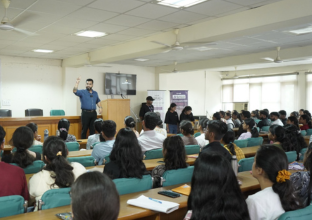
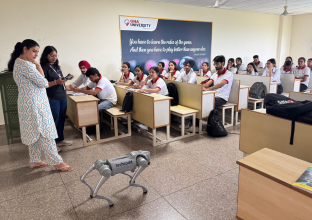
Techcadd Mohali focuses on practical, hands-on training. Students work on real-world projects, build complete web applications, and receive expert mentorship throughout the course. By the end of the training, learners will have a strong portfolio of projects demonstrating their full stack development skills.
Long-Term Benefits
Enrolling in the Full Stack Web Development Course in Mohali enables students to:
-
Build professional websites and full web applications
-
Start careers as Full Stack Developers, Web Developers, or Software Engineers
-
Work as freelancers or remote developers
-
Develop strong programming and problem-solving skills
-
Create a portfolio to showcase to potential employers
Conclusion
The Full Stack Web Development Course in Mohali at Techcadd Mohali is a comprehensive training program designed for students, beginners, and professionals aiming to build a successful career in web development. By combining theoretical knowledge with practical project experience, the course prepares learners to design, develop, and deploy modern web applications. It is an ideal pathway for anyone looking to enter the rapidly growing software development industry and secure rewarding career opportunities in the tech world.
Modules of the Full Stack Web Development Course in Mohali
The Full Stack Web Development Course in Mohali is designed with a structured, industry-focused curriculum that helps students learn both front-end and back-end technologies. The course modules are organized in a step-by-step format so beginners can easily understand programming concepts while gradually progressing to advanced web development skills. Below are the major modules included in the course.
1. Introduction to Web Development
The course begins with an introduction to web development and how modern websites and web applications work. Students learn the difference between front-end and back-end development, client-server architecture, and how data flows within web applications. This module also introduces development environments, code editors, browsers, and essential tools used by professional developers. Learners also understand the structure of websites and how domains, hosting, and servers operate.
2. HTML – Website Structure
HTML (HyperText Markup Language) is the foundation of all websites. In this module, students learn how to create and structure web pages using HTML elements. Topics include headings, paragraphs, lists, links, images, tables, forms, and semantic HTML tags. Students also learn best practices for writing clean and organized HTML code. By the end of this module, learners will be able to build the structural layout of web pages from scratch.
3. CSS – Styling and Layout Design
After learning HTML, students move on to CSS (Cascading Style Sheets) to style and design their web pages. This module covers CSS selectors, colors, fonts, spacing, borders, and backgrounds. Students also learn modern layout techniques such as Flexbox and CSS Grid to create responsive and visually appealing websites. The concept of responsive web design is introduced, allowing websites to work smoothly on mobile devices, tablets, and desktops.
4. Bootstrap Framework
Bootstrap is a popular front-end framework used to design responsive websites quickly. In this module, students learn how to use Bootstrap components such as navigation bars, grids, buttons, forms, cards, and modals. The module focuses on building mobile-friendly layouts and improving website design efficiency. By the end of this module, students can create professional-looking website interfaces with minimal coding effort.
5. JavaScript Programming
JavaScript is the core programming language used to add interactivity to websites. This module introduces students to programming concepts such as variables, data types, operators, loops, functions, arrays, and objects. Students also learn how to manipulate the Document Object Model (DOM) to dynamically update website content. Topics like event handling, form validation, and browser storage are also covered. This module helps learners develop strong problem-solving and programming skills.
6. Advanced JavaScript Concepts
After understanding the basics, students move on to advanced JavaScript concepts. This module includes ES6 features such as arrow functions, promises, modules, destructuring, and asynchronous programming. Students also learn how to fetch data from APIs and integrate external services into web applications. This module prepares learners for working with modern JavaScript frameworks and large-scale applications.
7. React.js Front-End Development
React.js is one of the most popular JavaScript libraries for building modern user interfaces. In this module, students learn how to create reusable UI components, manage application states, and build single-page applications (SPAs). Topics include JSX, components, props, state management, hooks, routing, and API integration. Students also work on real-world projects using React to build fast and dynamic front-end applications.
8. Node.js Back-End Development
Node.js allows developers to use JavaScript on the server side. In this module, students learn how to build server-side applications using Node.js. Topics include creating servers, handling HTTP requests, working with modules, and managing file systems. Students also learn how to create RESTful APIs that connect front-end applications with back-end services.
9. Express.js Framework
Express.js is a powerful framework used with Node.js to simplify server-side development. This module focuses on building APIs, handling routing, middleware functions, and managing server-side logic efficiently. Students learn how to create scalable backend systems that can support modern web applications.
10. MongoDB Database Management
Databases are essential for storing and managing application data. In this module, students learn MongoDB, a popular NoSQL database used in full stack applications. Topics include creating databases, collections, and documents, performing CRUD operations, and integrating MongoDB with Node.js applications. Students also learn how to design database structures for real-world projects.
11. Git and Version Control
Version control is an important skill for developers working in teams. This module introduces Git and GitHub, which are widely used for managing source code. Students learn how to create repositories, commit changes, manage branches, and collaborate on projects. Understanding version control helps developers track code changes and maintain project history.
12. Deployment and Hosting
In the final module, students learn how to deploy their web applications to live servers. Topics include hosting platforms, domain configuration, server setup, and continuous deployment. Students also learn how to optimize applications for performance and security before launching them online. By the end of this module, learners will be able to publish their projects and make them accessible to users worldwide.
Final Project and Portfolio Development
At the end of the course, students work on a full stack project that combines front-end, back-end, and database technologies. This project helps learners apply everything they have learned during the course. The completed projects become part of their professional portfolio, which can be used when applying for developer jobs or freelance opportunities.
Overall, the Full Stack Web Development Course in Mohali provides comprehensive training in modern web technologies and equips students with practical skills needed to build real-world web applications and start a successful career in the IT industry.