


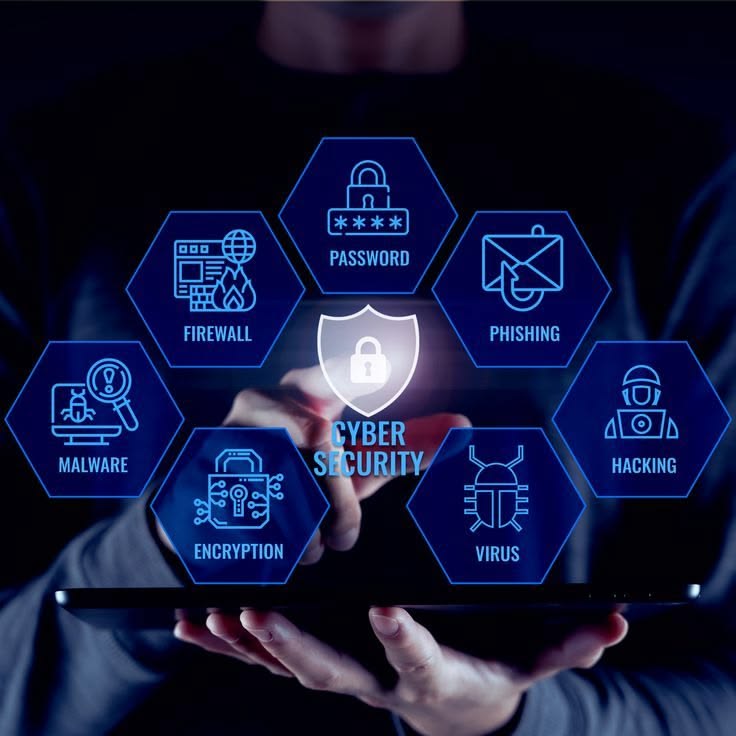
What Is Cyber Security and Why Is It Important?
In today’s digital world, technology has become an important part of our daily lives. We use computers, smartphones, websites, social media platforms, online banking, shopping applications, and cloud services every day. Businesses, schools, hospitals, government organizations,What Is Cyber Security and Why Is It Important? and individuals store a large amount of important information online. Although technology makes our lives easier and faster, it also creates new security risks. Cybercriminals can attempt to steal personal information, financial details, passwords, business data, and other valuable information. This is why cyber security has become extremely important.
Cyber security is the practice of protecting computers, networks, systems, applications, and digital information from unauthorized access, attacks, damage, or theft. It includes different technologies, processes, tools, and security practices that help individuals and organizations stay safe in the digital environment.
As cyber threats continue to grow, everyone should understand the importance of cyber security. Whether you are a student, employee, business owner, or regular internet user, basic knowledge of cyber security can help protect your personal information and digital identity.
What Is Cyber Security?
Cyber security refers to the protection of digital devices, computer systems, networks, and data from cyber attacks. The main purpose of cyber security is to prevent unauthorized people from accessing, changing, stealing, or destroying important information.
Cyber security uses different methods to protect digital systems. These methods include strong passwords, antivirus software, firewalls, encryption, multi-factor authentication, regular software updates, and security monitoring.
For example, when you use a password to protect your email account, you are using a basic form of cyber security. When a bank uses encryption to protect customer information during an online transaction, it is also using cyber security.
The importance of cyber security is increasing because more personal and business activities are moving online. People share personal photographs, documents, financial information, and private conversations through digital platforms. Organizations also store customer information and important business data on computer systems. Without proper security, this information can become vulnerable to cyber attacks.
Why Is Cyber Security Important?
Cyber security is important because digital information has become valuable. Personal information such as names, addresses, phone numbers, passwords, bank details, and identification documents can be misused if they fall into the wrong hands.
Businesses can also face serious problems after a cyber attack. An attack may result in financial losses, data theft, business interruption, and damage to the company’s reputation. Customers may lose trust in an organization if their personal information is not properly protected.
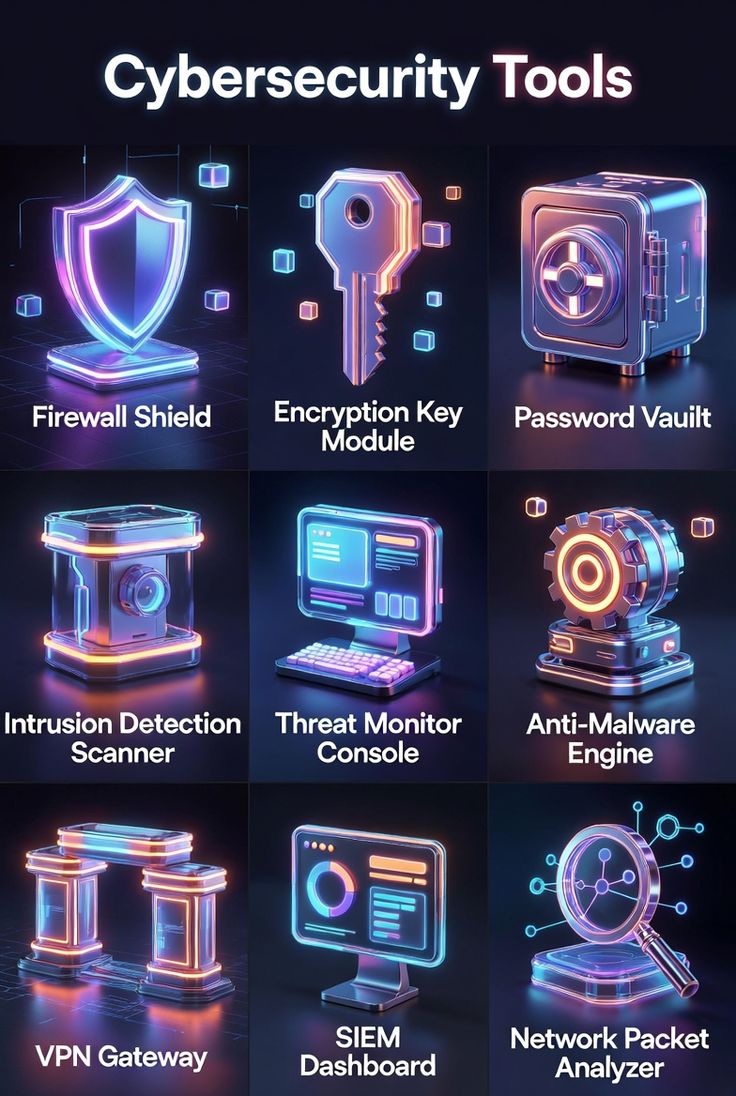
Cyber security also helps protect important services. Hospitals, banks, educational institutions, transportation systems, and government organizations depend on computer networks and digital systems. A successful cyber attack can interrupt these important services and create serious problems.
Therefore, cyber security is not only important for large companies. Every person who uses the internet should follow basic security practices.
Common Types of Cyber Threats
There are many different types of cyber threats. Understanding these threats can help people recognize potential dangers and protect themselves.
1. Phishing Attacks
Phishing is a common cyber attack in which criminals attempt to trick people into sharing sensitive information. Attackers may send fake emails, text messages, or website links that appear to come from trusted organizations.
For example, a person may receive an email claiming to be from a bank and asking them to click a link and enter their password. The website may look genuine, but it is controlled by cybercriminals.
To stay safe from phishing attacks, users should carefully check emails and website addresses before entering personal information. Avoid clicking suspicious links and verify unexpected messages directly through official channels.
2. Malware
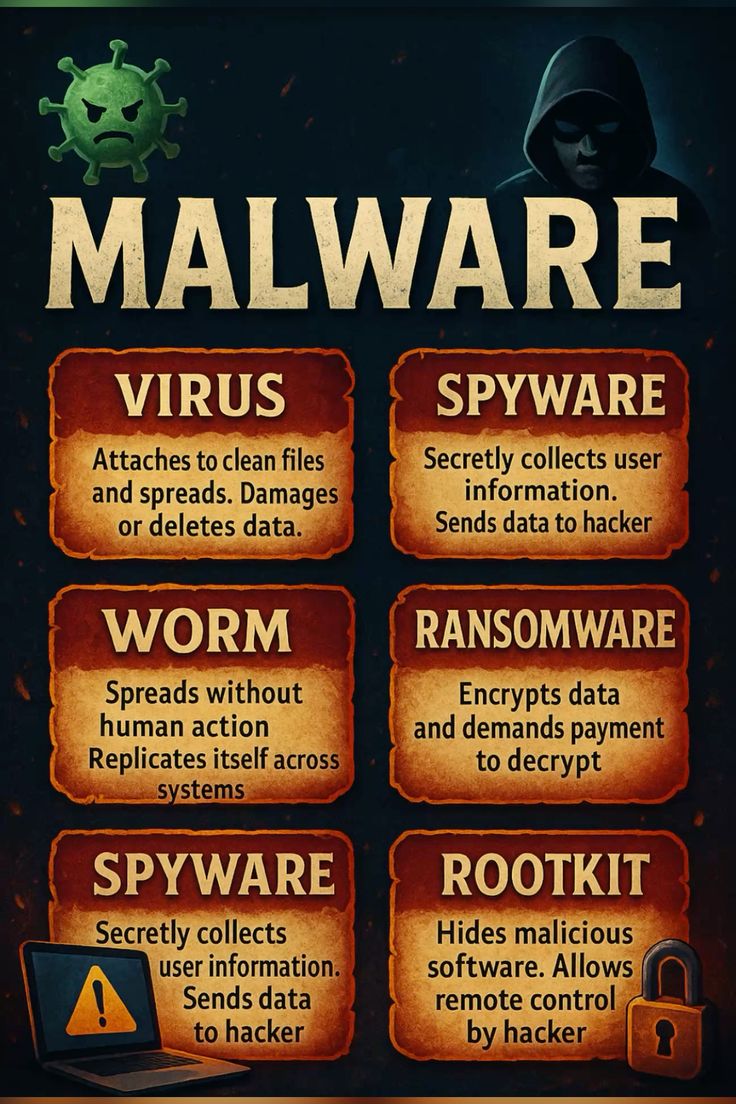
Malware is harmful software designed to damage, disrupt, or gain unauthorized access to computer systems. Malware includes viruses, worms, spyware, and other malicious programs.
A device can become infected when a user downloads an unsafe file, installs suspicious software, or visits a harmful website.
Using trusted security software, downloading applications from reliable sources, and regularly updating devices can help reduce the risk of malware infections.
3. Ransomware
Ransomware is a type of malware that can block access to files or systems and demand payment for restoring access. It can affect both individuals and organizations.
A ransomware attack can cause serious disruption because important files may become unavailable. Organizations can experience downtime and financial losses.
Regular backups are one of the most important ways to reduce the impact of ransomware. Users should also keep their software updated and avoid opening suspicious attachments.
4. Password Attacks
Weak or reused passwords can create major security problems. Cybercriminals may attempt to guess passwords or use stolen login information from previous data breaches.
A strong password should be difficult to guess and should contain a combination of uppercase letters, lowercase letters, numbers, and special characters where supported. Users should also avoid using the same password for multiple important accounts.
Password managers can help users create and securely manage unique passwords.
5. Social Engineering
Social engineering is a technique used to manipulate people into sharing confidential information or performing actions that benefit an attacker.
Instead of directly attacking a computer system, criminals may target human behavior. They may pretend to be a company employee, technical support representative, or another trusted person.
Users should be cautious when someone urgently requests passwords, verification codes, financial information, or other sensitive details.
6. Data Breaches
A data breach occurs when unauthorized individuals gain access to confidential or sensitive information. This information may include customer records, passwords, financial information, or business documents.
Data breaches can happen because of weak security systems, software vulnerabilities, stolen credentials, or human errors.
Organizations should use proper access controls, encryption, regular security monitoring, and employee training to reduce the risk of data breaches.
7. Denial-of-Service Attacks
A denial-of-service attack attempts to make a website, application, or online service unavailable to legitimate users. Attackers may send a large amount of traffic to a system and overload its resources.
Businesses that depend on online services can experience financial losses and customer dissatisfaction when their services become unavailable.
Organizations can use network monitoring, traffic filtering, and specialized security services to reduce the impact of these attacks.
8. Man-in-the-Middle Attacks
A man-in-the-middle attack happens when an attacker secretly intercepts communication between two parties. For example, an attacker may attempt to capture information sent through an insecure network.
Public Wi-Fi networks can create additional risks if users do not take proper security precautions.
Users should avoid entering sensitive information on untrusted networks and should make sure they are using secure websites. A secure website generally uses HTTPS to protect data during transmission.
Important Areas of Cyber Security
Cyber security includes several important areas. Each area focuses on protecting different parts of a digital environment.
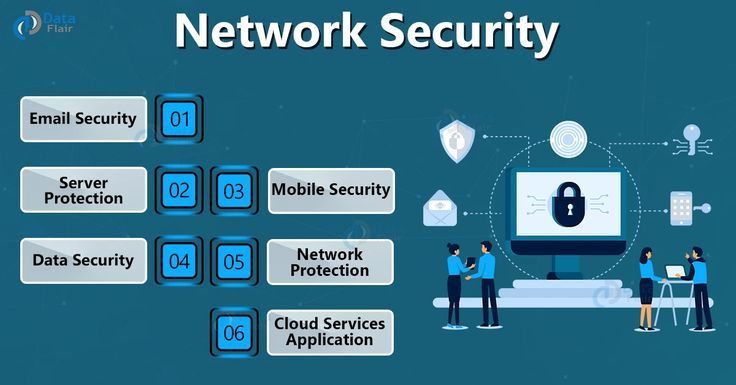
Network Security
Network security focuses on protecting computer networks from unauthorized access and attacks. It may involve firewalls, security monitoring, access controls, and other protective technologies.
Application Security
Application security focuses on making software and applications safer. Developers and organizations should identify and fix security weaknesses before attackers can exploit them.
Information Security
Information security focuses on protecting important data from unauthorized access, modification, or destruction. Encryption and access controls are commonly used to protect sensitive information.
Cloud Security
Many organizations store information and run applications using cloud services. Cloud security focuses on protecting cloud-based systems, data, and applications.
Endpoint Security
Endpoint security protects devices such as computers, laptops, smartphones, and tablets. Security software, device updates, and access controls can help protect these devices.
How to Protect Yourself Online
There are several simple steps that internet users can take to improve their cyber security.
First, create strong and unique passwords for important accounts. Do not share your passwords with other people.
Second, enable multi-factor authentication whenever possible. Multi-factor authentication adds an additional security step beyond the password, making unauthorized access more difficult.
Third, keep your operating system, browser, and applications updated. Software updates often include important security improvements.
Fourth, be careful when opening emails and messages. Do not click unknown links or download suspicious attachments.
Fifth, install software and applications only from trusted sources. Avoid downloading pirated or unknown software because it may contain harmful programs.
Sixth, regularly back up important files. If a device is lost, damaged, or affected by ransomware, backups can help restore important information.
Finally, use secure networks when accessing sensitive accounts. Be careful when using public Wi-Fi and avoid entering confidential information on suspicious websites.
The Role of Cyber Security in Businesses
Businesses depend heavily on digital technology. They store customer information, financial records, employee details, and other important data. A cyber attack can have serious consequences for an organization.


Comments (0)
No comments yet. Be the first to share your thoughts!