

Introduction: Rethinking AI and Creativity
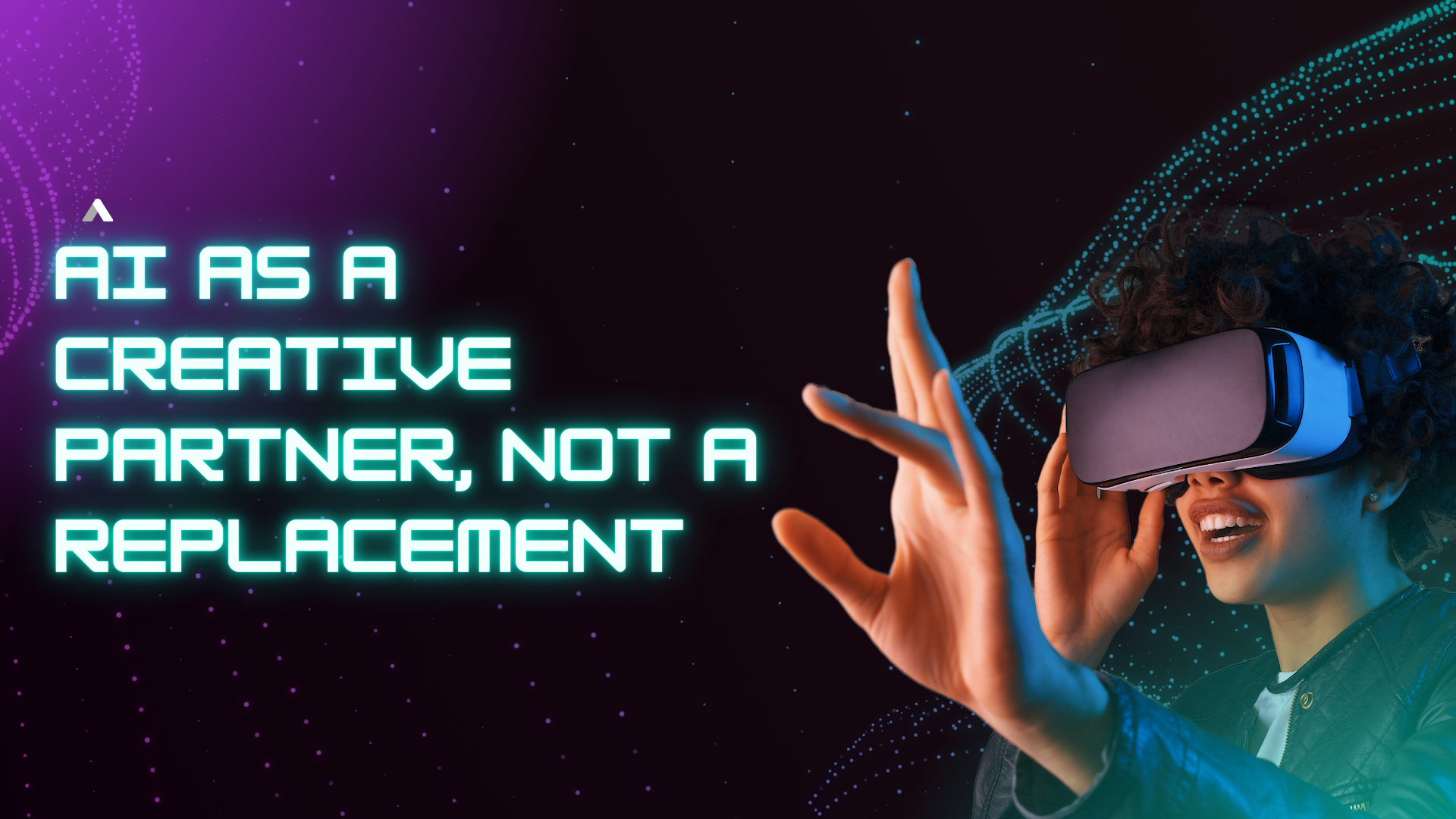
The conversation around Artificial Intelligence often focuses on fear—fear of job loss, fear of automation, and fear of machines replacing human talent. Nowhere is this fear more intense than in creative fields. However, this narrative misses an important truth: AI is not here to replace creativity; it is here to amplify it.
Creativity is inherently human, driven by emotion, context, and imagination. AI, on the other hand, excels at processing data, identifying patterns, and accelerating workflows. When combined, human creativity and artificial intelligence form a powerful partnership that pushes boundaries rather than eliminating human involvement.
AI as a Tool That Expands Creative Possibilities
AI works best as a support system that removes limitations from the creative process. Tasks that once required extensive technical skills—such as image editing, music composition, or data visualization—are now accessible through AI-powered tools.
By handling repetitive and technical aspects, AI frees creators to focus on ideas, storytelling, and innovation. This partnership allows artists, designers, writers, and developers to experiment more freely and bring concepts to life faster than ever before.
From Automation to Collaboration
Unlike traditional automation, AI-driven creativity is collaborative. AI suggests ideas, generates variations, and provides insights—but humans make the final decisions.
For example, writers use AI to brainstorm content, refine structure, or overcome creative blocks. Designers use AI tools to explore layouts, color palettes, and visual styles. In each case, AI acts as an assistant, not an author.
This collaborative approach strengthens creativity rather than diminishing it.
Reducing Creative Fear and Perfection Pressure
Creative work often comes with fear—fear of failure, fear of imperfection, and fear of judgment. AI helps reduce this pressure by creating a safe environment for experimentation.
Creators can test ideas, iterate quickly, and explore multiple directions without high cost or risk. This encourages bold thinking and nurtures creative confidence.
AI in Creative Industries
Across industries, AI is reshaping creative workflows. In marketing, AI helps analyze audience behavior and optimize creative campaigns. In film and music, AI assists with editing, sound design, and visual effects. In software and product design, AI supports rapid prototyping and innovation.
Rather than replacing creative professionals, AI increases demand for individuals who understand both creativity and technology. This hybrid skill set is becoming highly valuable in today’s job market.
Creativity as a Career Skill in the AI Era
As AI handles routine and analytical tasks, creativity becomes one of the most important human skills. Employers increasingly seek professionals who can think creatively, solve complex problems, and collaborate with intelligent systems.
Learning how AI works allows creatives to use it effectively instead of fearing it. This is why enrolling in an AI course in Mohali is a smart move—not just for engineers, but for designers, marketers, entrepreneurs, and innovators.
Such courses focus on understanding AI tools, machine learning basics, and real-world applications, enabling learners to integrate AI into creative workflows.
AI Encourages Multidisciplinary Creativity
AI naturally connects different domains—art, science, data, and storytelling. This encourages interdisciplinary thinking, where creativity is no longer limited to a single field.
A person learning AI might explore data visualization, generative design, or interactive experiences. This blending of skills leads to more innovative outcomes and opens new career paths.
Learning AI to Control the Creative Process
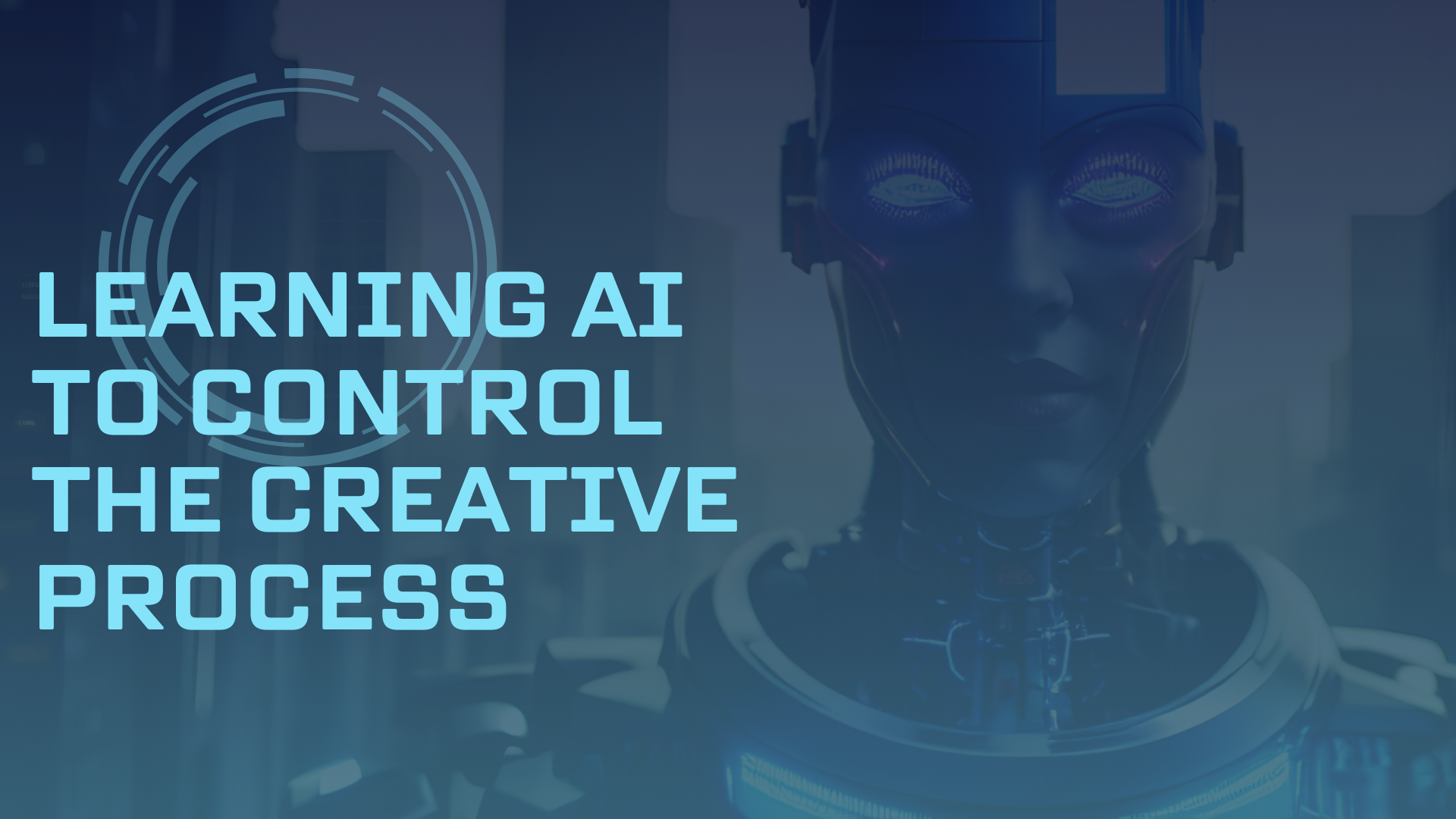
One of the biggest misconceptions is that AI takes control away from humans. In reality, understanding AI gives creators more control.
When learners understand how algorithms work, how models are trained, and how outputs are generated, they can guide AI more effectively. An AI course in Mohali empowers learners to move from passive users to creative directors of AI-driven tools.
AI as a Source of Inspiration, Not Imitation
AI does not create originality on its own—it draws from existing patterns. Humans provide originality, meaning, and purpose. AI simply helps explore combinations and possibilities that might otherwise go unnoticed.
This makes AI a source of inspiration rather than imitation. The most powerful creations come from human vision enhanced by AI capabilities.
Ethical Creativity and Responsible AI Use
As AI becomes part of creative work, ethical responsibility becomes crucial. Humans remain accountable for originality, authenticity, and impact.
Learning AI responsibly ensures that creativity remains ethical, inclusive, and human-centered. Quality AI education emphasizes both technical skills and ethical awareness.
Why Mohali Is Emerging as a Hub for AI Learning
Mohali’s growing tech ecosystem and educational infrastructure make it an ideal place to learn AI. An AI course in Mohali offers industry-relevant training, practical exposure, and mentorship, preparing learners for creative and technical roles alike.
Whether you aim to work in design, marketing, software, or entrepreneurship, AI knowledge enhances creative potential and career growth.
Connect with Techcadd Mohali
Stay updated with the latest trends, student success stories, and course updates by following Techcadd on social media:
-
Instagram: Follow Techcadd on Instagram
-
LinkedIn: Connect with Techcadd on LinkedIn
Conclusion: AI and Humans Create More Together
Artificial Intelligence is not a rival to creativity—it is a partner. By supporting exploration, accelerating experimentation, and removing barriers, AI allows humans to create more boldly and meaningfully.
The future belongs to those who collaborate with AI rather than compete against it. For anyone looking to stay creative, adaptable, and future-ready, learning AI through a professional AI course in Mohali is the gateway to innovation, confidence, and long-term success.

Comments
No comments yet. Be the first to comment.
Leave a Comment