



The Mathematical Bedrock of Machine Learning
In the modern tech landscape, Machine Learning (ML) is the force driving everything from autonomous vehicles to personalized medicine. While it’s tempting to think of ML as purely a programming challenge, the reality is that the most powerful algorithms are built on a foundation of centuries-old mathematics. To build a career that survives the hype cycles, you must master the core skills: Graph Theory, Linear Algebra, Probability, Optimization, Calculus, and Statistics.
1. Linear Algebra: The Language of Data
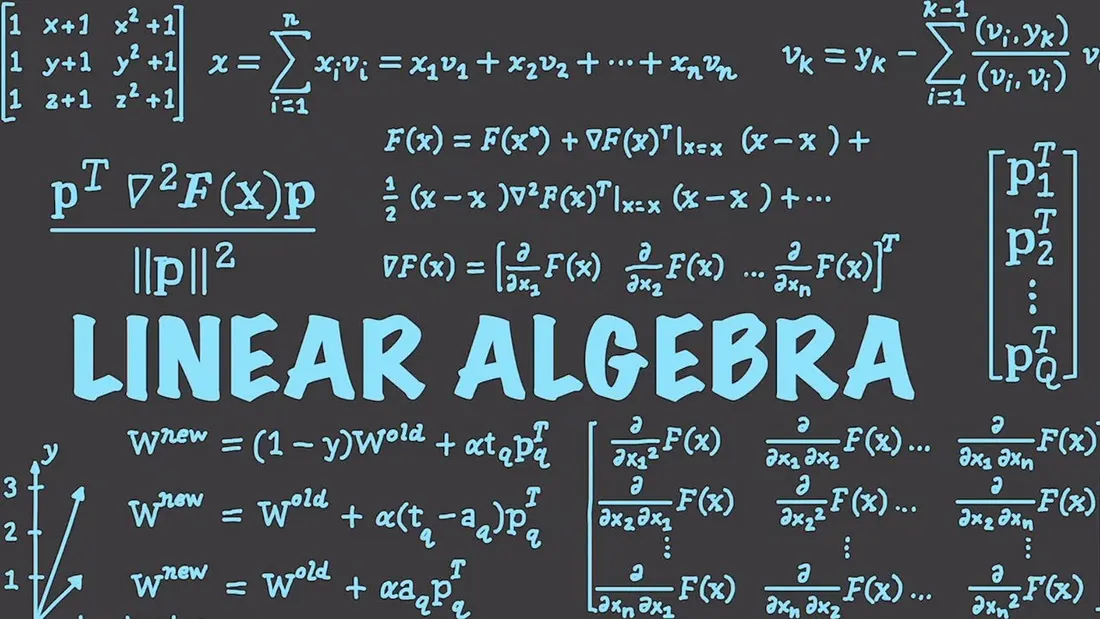
If Machine Learning was a building, Linear Algebra would be its foundation. Data in ML is rarely a single number; it is usually a collection of numbers represented as vectors, matrices, or tensors. Whether you are processing a 2D image or a 1D audio file, you are performing matrix operations. Concepts like Matrix Multiplication, Eigenvalues, and Singular Value Decomposition (SVD) are used daily to reduce the dimensionality of data, making it easier for computers to process without losing vital information.
2. Calculus: The Engine of Learning
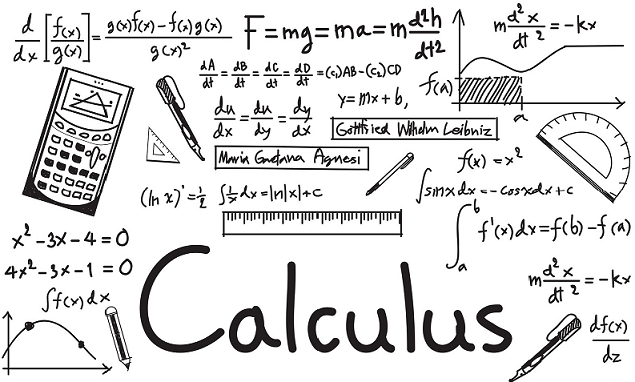
How does a machine actually "learn"? It does so by minimizing a "loss function"—a mathematical way of saying it reduces its own mistakes. This process is powered by Calculus. Specifically, Gradient Descent relies on partial derivatives to determine the direction and magnitude of the changes needed in a model’s weights. Without a firm grasp of calculus, a developer is simply using a "black box" without understanding how to fine-tune it when it fails to converge.
3. Probability Theory: Managing Uncertainty
Machine Learning is rarely about 100% certainty; it is about the most likely outcome. Probability Theory allows us to model the likelihood of an event occurring, such as whether an email is "spam" or "not spam." From Bayesian Networks to Hidden Markov Models, probability provides the logic required for an AI to make decisions under pressure and handle noisy, imperfect data.

4. Statistics: Making Sense of the Noise
While probability deals with predicting future events, Statistics is about analyzing past data to find patterns. In the ML pipeline, statistics is used for:
-
Data Preprocessing: Identifying outliers and missing values.
-
Hypothesis Testing: Determining if a model’s performance is actually better or just a result of luck.
-
Distributions: Understanding the shape of your data (Normal, Binomial, Poisson) to choose the right algorithm.
5. Graph Theory: Connecting the Dots
In an interconnected world, data often exists in a network. Graph Theory is the study of vertices (points) and edges (lines). This is essential for:
-
Social Media: Recommendation engines like those on LinkedIn or Instagram.
-
Search Engines: Google’s PageRank algorithm is fundamentally a graph-based math problem.
-
Fraud Detection: Identifying unusual clusters of transactions in banking.
6. Optimization: Efficiency at Scale
Building a model that works is one thing; building one that works fast and efficiently is another. Optimization involves finding the best solution among all feasible solutions. In the era of "Green AI" and mobile-edge computing, being able to optimize an algorithm to run on low power while maintaining high accuracy is a high-value skill that separates senior engineers from juniors.
Career Scope and the Future of ML Jobs
The demand for ML expertise is not just growing; it is exploding. According to global labor reports, "AI and Machine Learning Specialists" top the list of fast-growing jobs through 2030.
Why the Scope is Expanding:
-
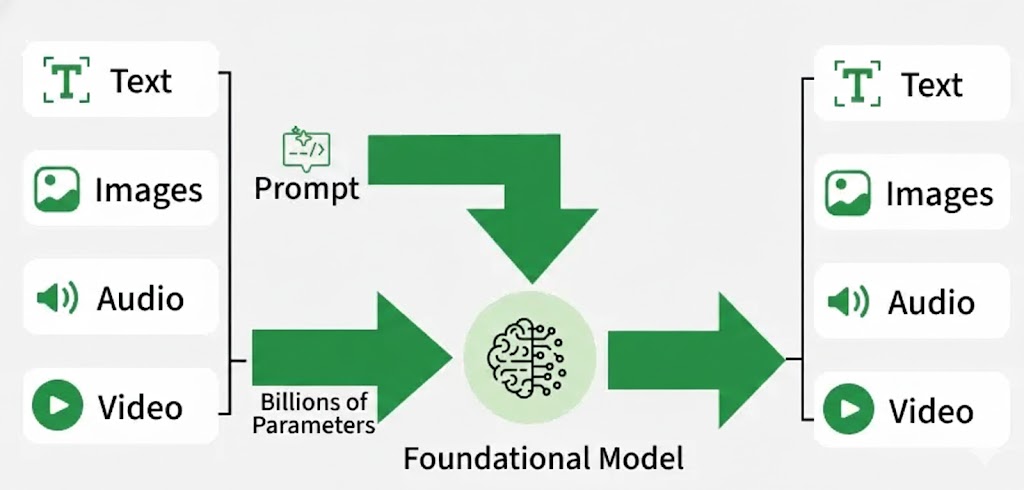
Generative AI: The rise of LLMs (Large Language Models) has created a massive need for engineers who can optimize and fine-tune these massive mathematical structures.
-
Edge Computing: Bringing ML to smartphones and IoT devices requires deep knowledge of math to make models smaller and faster.

-
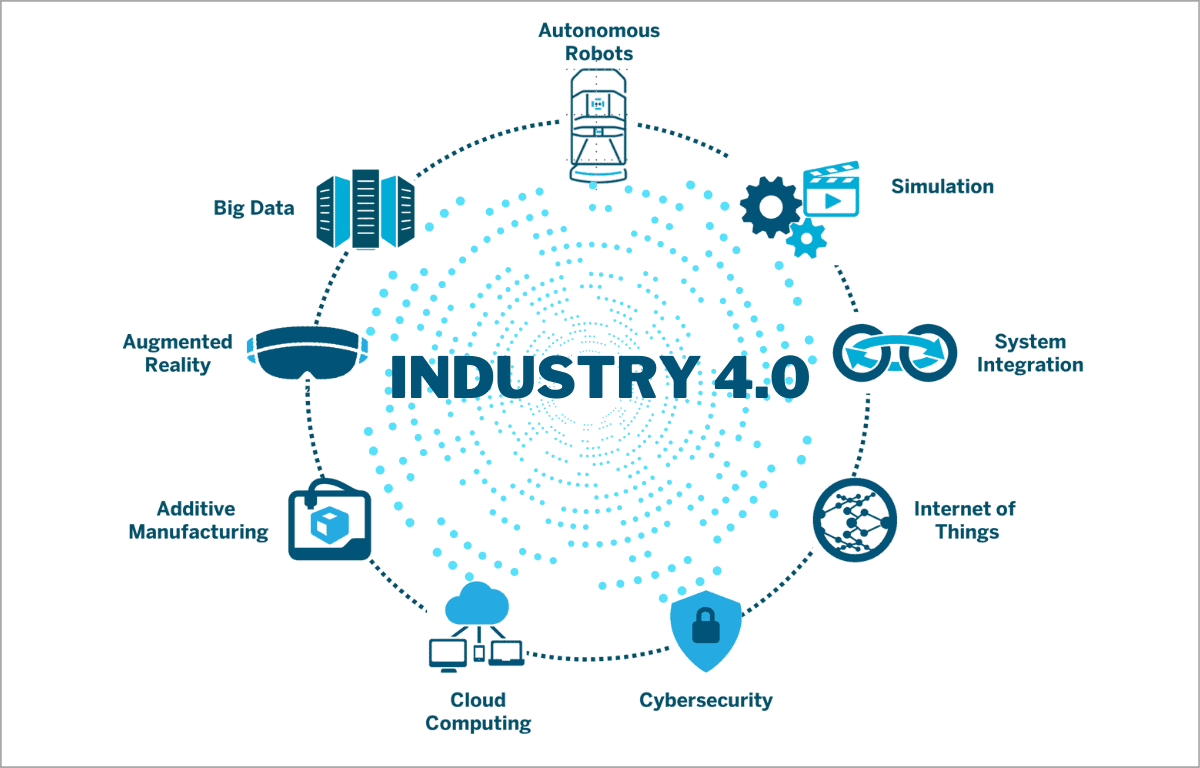
Industry Integration: We are seeing a shift where ML is no longer just for "Tech Companies." Agriculture, Retail, and Manufacturing are now hiring ML teams to optimize supply chains and crop yields.
The Future of Machine Learning Jobs
As tools become more automated, the "low-level" coding parts of ML might be handled by AI itself. However, the role of the human engineer is shifting toward System Design and Algorithmic Oversight. A professional who understands the mathematical nuances of their model can prevent algorithmic bias, ensure ethical AI usage, and innovate new architectures that haven't been seen before.
![Top 10 Machine Learning Jobs in India [2025]: Salaries, Roles, Skills & Career Paths](https://scaler-blog-prod-wp-content.s3.ap-south-1.amazonaws.com/wp-content/uploads/2025/09/12184828/machine-learning-jobs-860x573.webp)
Stay connected:For code snippets,project ideas,and industry news,follow us on Instagram and join our developer network on Linkedin.


Comments
No comments yet. Be the first to comment.
Leave a Comment