


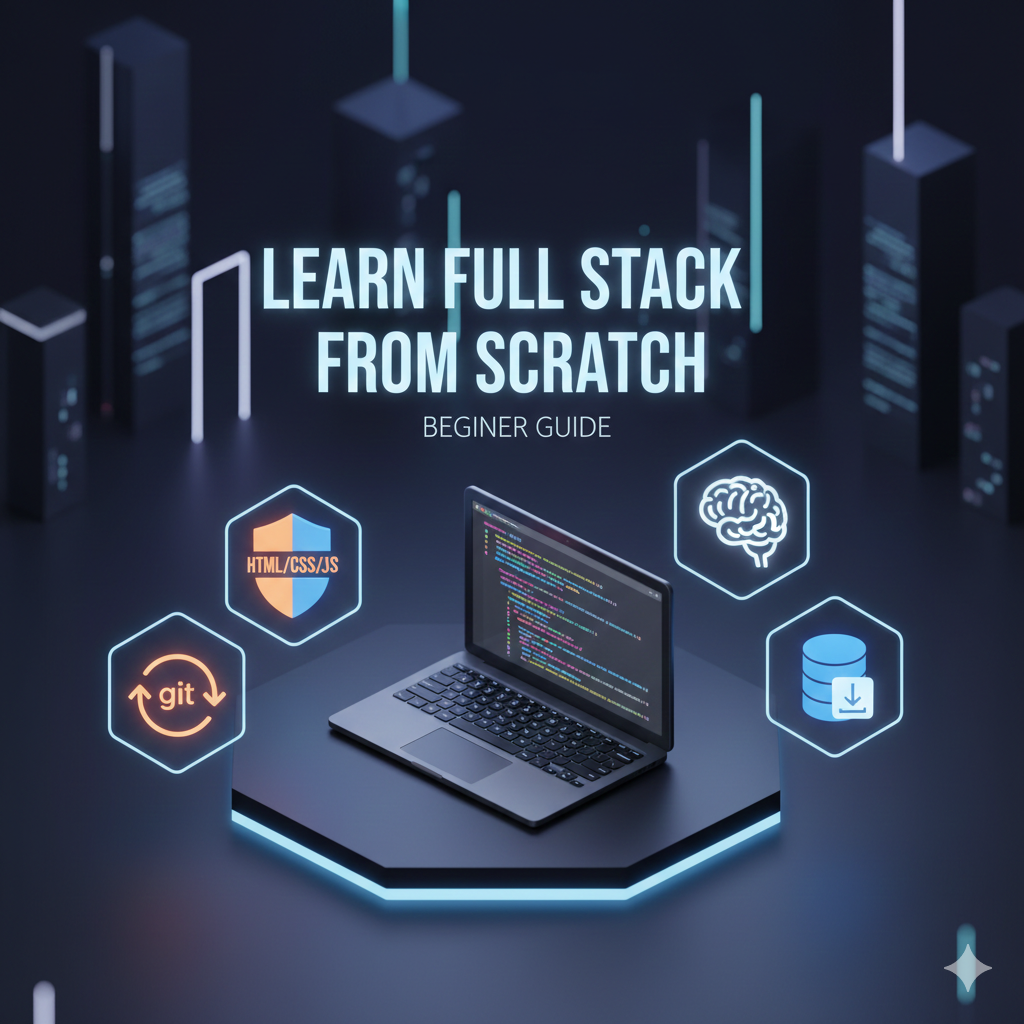
Full stack certification programs are designed to train individuals in both frontend and backend development, covering technologies such as HTML, CSS, JavaScript, React, Node.js, databases, and deployment tools. For beginners, these certifications provide a clear and organized roadmap to learn web development from scratch. Instead of feeling confused about what to study next, learners follow a structured curriculum that gradually builds their understanding from basic concepts to advanced application development. This structured learning approach is especially helpful for students, fresh graduates, or career changers who need direction and discipline in their preparation.
One of the major advantages of a full stack certification is skill validation. A certificate demonstrates that the learner has completed formal training and understands essential development concepts. For recruiters, this can serve as proof of commitment and technical foundation, particularly when the candidate lacks professional experience. It can make a resume more attractive and increase the chances of being shortlisted for interviews. Certifications from reputed institutes or recognized platforms may add even more credibility.
However, it is important to understand that certification alone does not guarantee employment. In the software development industry, practical knowledge and project experience are more important than certificates. Employers often focus on what you can build, how you solve problems, and how well you understand real-world scenarios. A candidate with strong projects on GitHub and good technical understanding may stand out more than someone who only holds a certificate without hands-on experience.
The true value of a full stack certification depends on how it is used. If it includes practical assignments, real-world projects, and exposure to industry tools like Git, Docker, and cloud platforms, then it becomes highly beneficial. It not only builds technical skills but also increases confidence and prepares learners for technical interviews.
In conclusion, a full stack certification is worth it for those who need structured guidance, foundational knowledge, and resume enhancement. However, it should be seen as a stepping stone rather than the final goal. Combining certification with consistent practice, real-world projects, internships, and continuous skill development is what ultimately leads to successful placement and career growth in full stack development.

Comments
No comments yet. Be the first to comment.
Leave a Comment