


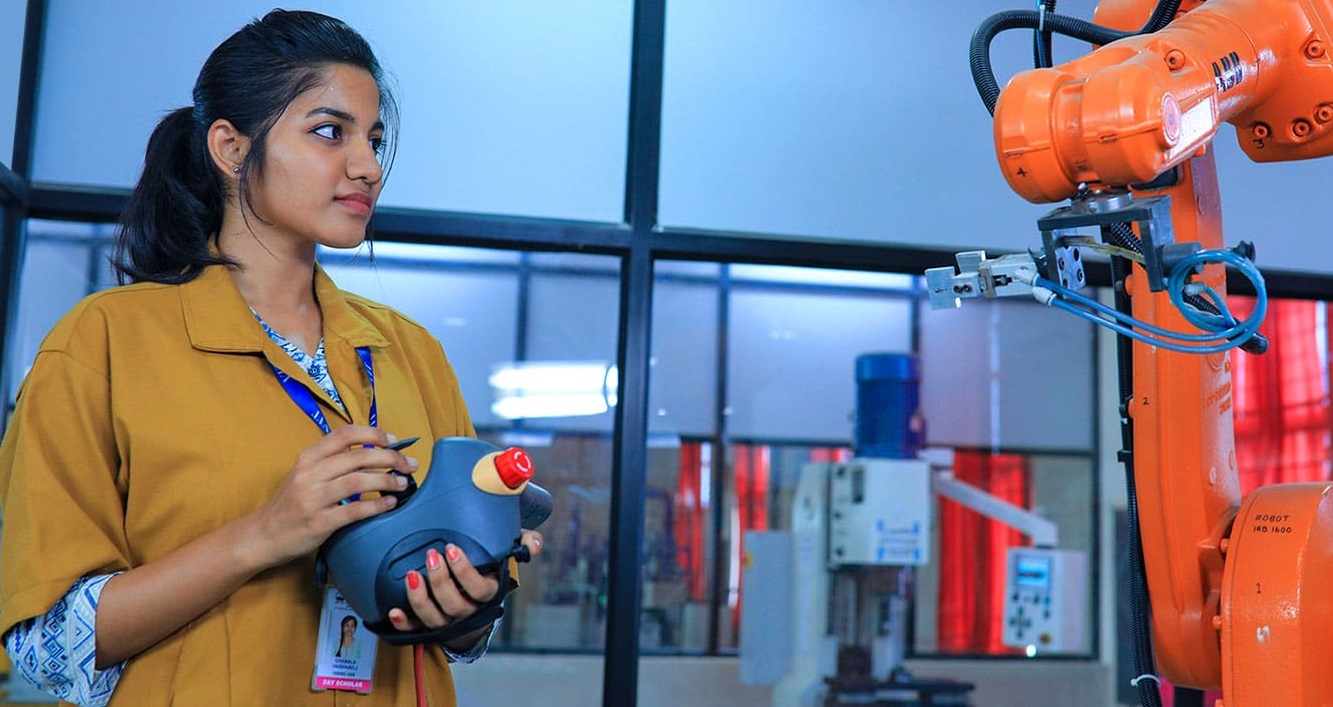
Mechanical Engineering Career in India – An Overview
Mechanical engineering is one of the oldest and most respected engineering branches in India. It deals with the design, manufacturing, operation, and maintenance of machines and mechanical systems. From traditional industries like manufacturing and automobiles to modern sectors such as robotics and renewable energy, mechanical engineers play a crucial role.
India’s strong industrial base, government initiatives like Make in India, and growth in infrastructure projects continue to create demand for skilled mechanical engineers.
Scope of Mechanical Engineering in India
The scope of mechanical engineering is vast and multi-disciplinary. Mechanical engineers can work in both core and emerging industries.
Major sectors include:
-
Manufacturing & Production
-
Automobile & EV Industry
-
Power Plants & Energy Sector
-
Aerospace & Defense
-
Oil & Gas Industries
-
HVAC & Building Services
-
Robotics & Automation
-
Renewable Energy (Solar, Wind)
With additional training in mechanical engineering software such as AutoCAD, SolidWorks, CATIA, ANSYS, and CNC programming, job opportunities increase significantly.
Career Opportunities & Job Roles
Mechanical engineers can choose from a wide range of job roles based on their skills and interests:
-
Design Engineer
-
Production Engineer
-
Maintenance Engineer
-
Quality Control Engineer
-
HVAC Engineer
-
Automobile Engineer
-
Robotics Engineer
-
CNC Programmer
-
Project Engineer
Freshers usually start with entry-level roles, while experienced professionals can move into managerial and leadership positions.
Salary & Growth in Mechanical Engineering
In India, mechanical engineering salaries depend on skills, industry, and experience.
-
Freshers: ₹2.5 – ₹4.5 LPA
-
2–5 Years Experience: ₹5 – ₹8 LPA
-
Specialized Roles (Design, Automation): ₹8 – ₹15 LPA
Engineers with strong software skills and practical training earn higher salaries and faster promotions.
Future of Mechanical Engineering Jobs
The future of mechanical engineering is evolving with technology. Traditional roles are merging with digital and smart systems.
Key future trends include:
-
Industry 4.0 & Smart Manufacturing
-
Automation & Robotics
-
Artificial Intelligence in Design & Maintenance
-
Electric Vehicles (EVs)
-
Sustainable & Green Energy Systems
-
3D Printing & Advanced Materials
Mechanical engineers who upskill in automation, data analysis, and simulation tools will have excellent career prospects.
Skills Required for a Successful Mechanical Career
To stay competitive, mechanical engineers should focus on:
-
Mechanical Design Software (AutoCAD, SolidWorks, CATIA)
-
Simulation & Analysis Tools (ANSYS)
-
CNC & Manufacturing Processes
-
Problem-Solving & Analytical Skills
-
Basic Programming & Automation Knowledge
-
Communication & Project Management
Conclusion
Mechanical engineering continues to be a strong and future-ready career option in India. With the right combination of core knowledge, software skills, and industry-oriented training, mechanical engineers can build stable, high-growth careers across multiple sectors


Comments
No comments yet. Be the first to comment.
Leave a Comment