


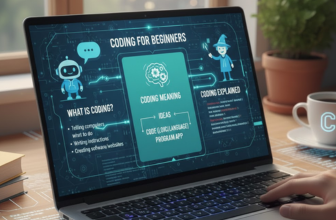
What Is Coding? Coding Meaning Explained for Beginners
In today’s fast-growing digital world, technology plays an important role in our daily lives. From smartphones and websites to online shopping and social media, everything depends on computers. But have you ever wondered how these machines work and follow instructions? The answer is coding. Understanding what is coding and learning its basics can help beginners enter the world of technology with confidence.
What Is Coding?
Coding is the process of writing instructions for computers using programming languages. These instructions tell a computer how to perform specific tasks such as displaying information, solving problems, or running applications. In simple words, coding means communicating with computers in a language they understand.
When developers write code, they create software, mobile apps, websites, games, and digital tools. Without coding, modern technology would not exist. Every app you use, every website you visit, and every digital service you access works because of coding.
Coding Meaning in Simple Terms
The meaning of coding is creating step-by-step commands that guide computers to complete a task. Just like humans use languages like English or Hindi to communicate, computers use programming languages to understand instructions.
For example, when you search something on Google, coding helps show relevant results. When you click a button on a website, coding makes sure the correct action happens. These small actions are controlled by thousands of lines of code written by programmers.
So, coding is like writing a guidebook for computers, telling them exactly what to do in different situations.
How Does Coding Work?
Computers cannot think on their own. They only follow instructions given by humans. When a programmer writes code, it is checked by special software called a compiler or interpreter. This software converts the code into machine language, which is made up of 0s and 1s.
After conversion, the computer executes the instructions and produces output. If the code contains mistakes, known as bugs, the program may crash or behave incorrectly. That is why programmers test and debug their programs regularly.
For beginners, understanding how coding works helps in building strong technical skills and confidence.
Popular Programming Languages for Beginners
There are many programming languages available, but beginners usually start with easy and popular ones. Some of the best coding languages for beginners include:
-
Python – One of the easiest languages to learn, used in web development, data science, and artificial intelligence.
-
JavaScript – Used to make websites interactive and dynamic.
-
HTML and CSS – Basic languages for creating and designing web pages.
-
Java – Commonly used for Android apps and large software systems.
-
C and C++ – Used for system programming and game development.
Choosing the right programming language depends on your goals and interests.
Why Is Learning Coding Important?
Learning coding skills is becoming more important every day. Many industries now depend on digital technology, and companies need skilled programmers.
Here are some key benefits of learning coding:
1. Better Career Opportunities
Many high-paying jobs in software development, web development, data science, and cybersecurity require coding knowledge.
2. Improved Problem-Solving Skills
Coding teaches logical thinking, creativity, and analytical skills. It helps you break complex problems into simple steps.
3. Ability to Create Your Own Projects
With coding, you can build your own website, mobile app, blog, or game. This increases confidence and practical experience.
4. Understanding Modern Technology
Learning programming helps you understand how apps, websites, and systems work behind the scenes.
Coding Explained for Beginners
For beginners, coding may look difficult at first, but it becomes easier with time and practice. Learning coding is similar to learning a new spoken language. You start with basic concepts such as variables, loops, and functions, and gradually move to advanced topics.
Regular practice is the key to success. Writing small programs, fixing errors, and experimenting with new ideas helps improve skills. Making mistakes is a normal part of the learning process.
Today, many free coding platforms, online courses, and tutorials are available. Websites like freeCodeCamp, W3Schools, and Coursera help beginners learn coding step by step.
You do not need expensive software or advanced equipment. A basic computer, internet connection, and strong interest are enough to start learning.
Applications of Coding in Real Life
Coding is used in almost every field today. Some major applications include:
-
Website Development – Creating personal and business websites
-
Mobile App Development – Building apps for Android and iOS
-
Game Development – Designing online and offline games
-
Artificial Intelligence – Developing smart machines and chatbots
-
Data Analysis – Studying large amounts of data
-
Automation – Reducing manual work using software
These real-life uses show why coding is such a valuable skill.
Conclusion
Coding is the foundation of modern digital technology. It is the process of giving instructions to computers so they can perform useful tasks. Understanding what is coding and learning programming basics helps beginners build strong technical and creative skills.
With patience, regular practice, and the right guidance, anyone can learn coding. It opens doors to better careers, innovation, and self-growth. By starting today, you take the first step toward becoming a creator in the digital world instead of just a user.


Comments
No comments yet. Be the first to comment.
Leave a Comment